As human populations grow, wildlife habitats are increasingly fragmented, putting pressure on animal populations and gene pools. Wildlife corridors provide a solution, allowing animals to move safely between areas, avoid conflicts with people, and maintain healthy populations. In Kenya, the Laikipia region is leading the way with innovative corridors that benefit both wildlife and local communities.What exactly are these corridors?
These wildlife corridors are natural connections that run across the landscape, linking up areas of natural habitat and native vegetation. These are important for allowing a natural process and allowing the movement of animals and the continuation of populations and genetic health.
What Are Wildlife Corridors?
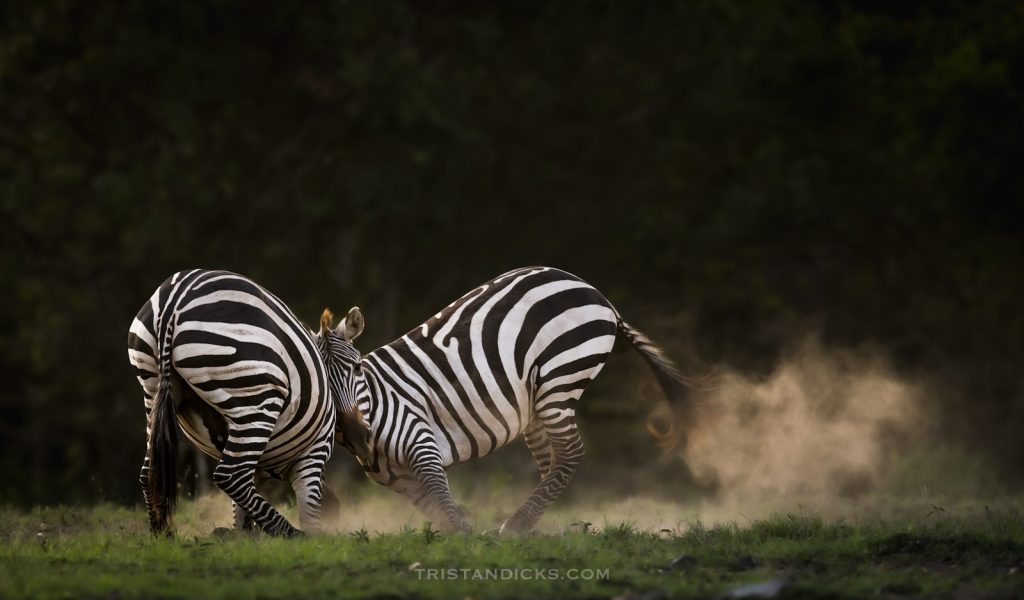
Wildlife corridors are natural pathways linking habitats across landscapes. They enable animals to move freely, access food and water, and maintain genetic diversity, all while reducing human-wildlife conflict.
Laikipia: The Hub of Conservation
Located in central Kenya, Laikipia is a high plateau bordered by Mount Kenya. Its diverse habitats—including riverine vegetation, open savannah, acacia woodland, montane forests, and grasslands—support a wide range of wildlife. Seasonal droughts and floods, however, have forced animals to travel further, increasing human-wildlife conflict.
Black Rhino Conservation
Laikipia is home to over half of Kenya’s black rhinos, mostly in fenced private conservancies. Corridors are being built to connect key conservancies like Ol Pejeta and Mutara, allowing elephants, lions, and cheetahs to move freely while rhinos have controlled passage. Loisaba Conservancy has already successfully released 21 rhinos into these connected areas.
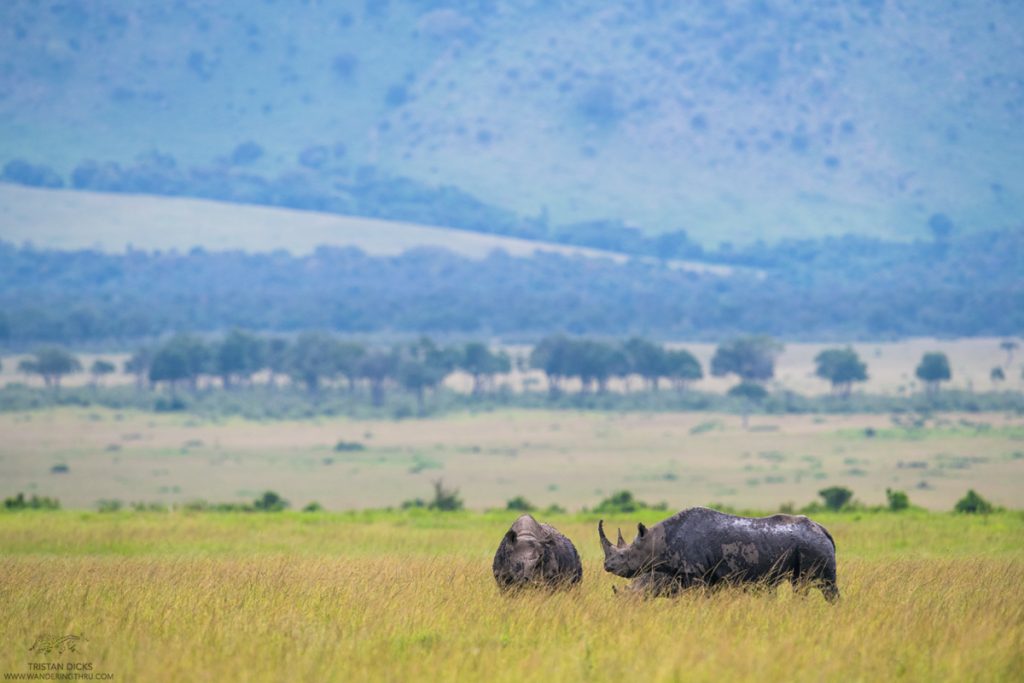
The Kenyan Wildlife Services already launched the Recovery and Action Plan for Black Rhino in 2022 and it is set to conclude at the end of this year. The plan aims to increase Kenya’s black rhino population to 2,000 individuals by 2037. So far, progress is on track, with additional land and protected areas secured. Ol Pejeta Conservancy has played a leading role, acquiring land adjacent to their property to expand rhino habitat.
As part of the plan, fences in the Mutara area, known for its ideal rhino habitat, are being upgraded. Existing wildlife corridors connect this area with Ol Pejeta, allowing elephants, lions, and cheetahs to move freely—but rhinos have not yet been able to use them. To address this, specialized corridors have been installed with one-meter-high poles spaced a meter apart, plus strategically placed rocks, enabling other animals to pass while keeping rhinos safely within their designated areas.
Rhinos serve as the flagship species for the project, providing a central focus for conservation efforts. Once this framework was established, 26 additional sites were identified and are being prepared to receive new rhino populations. So far, Loisaba Conservancy has successfully released 21 black rhinos, marking an important step in restoring this iconic species across the region.

Long-Term Goals
The ultimate goal is to create a nearly fence-free landscape spanning 380,000 hectares (840,000 acres) with corridors accessible to all wildlife. This approach benefits both animals and surrounding communities by reducing conflict and supporting ecosystem health.
Elephants and Livestock
Dual-purpose corridors are being developed to accommodate livestock and elephants. Save the Elephant has collared nearly 200 elephants over 20 years, mapping historic migratory routes and enabling safe passage through towns and grazing areas. Some corridors even run adjacent to shopping centers!
Why It Matters
Laikipia’s corridor program shows what is possible when wildlife and community needs are balanced. By reconnecting fragmented habitats, Kenya is creating safer, healthier landscapes for both humans and animals—setting an example for the rest of Africa.