How and why is Indian and African wildlife so similar? This is a question that we as guides often get asked when guests are interested in exploring these two special places. This not only includes the large mammals, but birds and vegetation too.
Indian and African wildlife exhibit notable similarities, despite being continents apart. These resemblances were down to a combination of geological history, evolutionary convergence, and ecological parallels. Here we’ll take a deeper look at the more historical story, emphasizing the role of the ancient supercontinent Gondwana, similar evolutionary pressures, and similar habitats that have driven these similarities.
Geological History and Gondwana
The geological history of Earth gives us insights into the similarities between Indian and African wildlife. Around 200 million years ago, all the continents were part of a single massive supercontinent called Pangaea. Pangaea eventually split into two supercontinents: Laurasia in the north and Gondwana in the south. Gondwana included what are now Africa, South America, Antarctica, Australia, Madagascar, and the Indian subcontinent.

During the Jurassic period, approximately 180 million years ago, Gondwana began to break apart. The separation of these landmasses facilitated the independent evolution of flora and fauna. However, because these regions were once joined, they shared many species and ecological niches. When the Indian subcontinent finally drifted away from Madagascar and collided with Asia about 50 million years ago, it carried with it a host of Gondwanan species.
This shared heritage explains why Indian and African wildlife have such remarkable similarities. For example, the ancestors of elephants, lions, and rhinos were distributed across Gondwana before its breakup. The separation led to divergent evolution, yet many similar traits were kept, leading to comparable species in both areas.
Evolutionary Convergence
Evolutionary convergence is another key factor in explaining the likeness between Indian and African animals. Convergent evolution occurs when unrelated species evolve similar traits independently, often because they occupy similar ecological niches and face comparable selective pressures.
One of the most striking examples of convergent evolution is the resemblance between the African lion (Panthera leo) and the Asiatic lion (Panthera leo persica). Although they belong to the same species, their current distribution is the result of historical range contractions and habitat fragmentation. Both subspecies have evolved to be apex predators in their respective ecosystems, showing similar social structures, hunting techniques, and physical characteristics due to similar ecological demands.

Similarly, the African and Indian rhinoceroses exhibit convergent traits. Africa is home to the white rhinoceros (Ceratotherium simum) and black rhinoceros (Diceros bicornis), while India has the Indian rhinoceros (Rhinoceros unicornis). Despite differences in specific adaptations and habitats, all these species share a common ancestry and show similar body shapes, sizes, and behaviors due to the same environmental pressures such as habitat.
Ecological Parallels
Ecological parallels between India and Africa further contribute to the similarities in their fauna. Both regions possess diverse habitats ranging from grasslands and savannas to forests and wetlands, creating environments that support similar types of wildlife.
The grasslands and savannas of Africa are home to iconic species such as zebras, giraffes, and antelopes. In India, the grasslands and open forests support species like the blackbuck, nilgai, and various deer species. Both ecosystems provide ample grazing opportunities and support large herbivores and their predators.
African forests, particularly the Congo Basin, are rich in biodiversity and home to species like gorillas, chimpanzees, and forest elephants. Indian forests, including the Western Ghats and the Himalayan foothills, have species such as tigers, leopards, and elephants. The structural complexity of these forests supports a wide range of fauna, leading to similar adaptations for survival in dense vegetation.
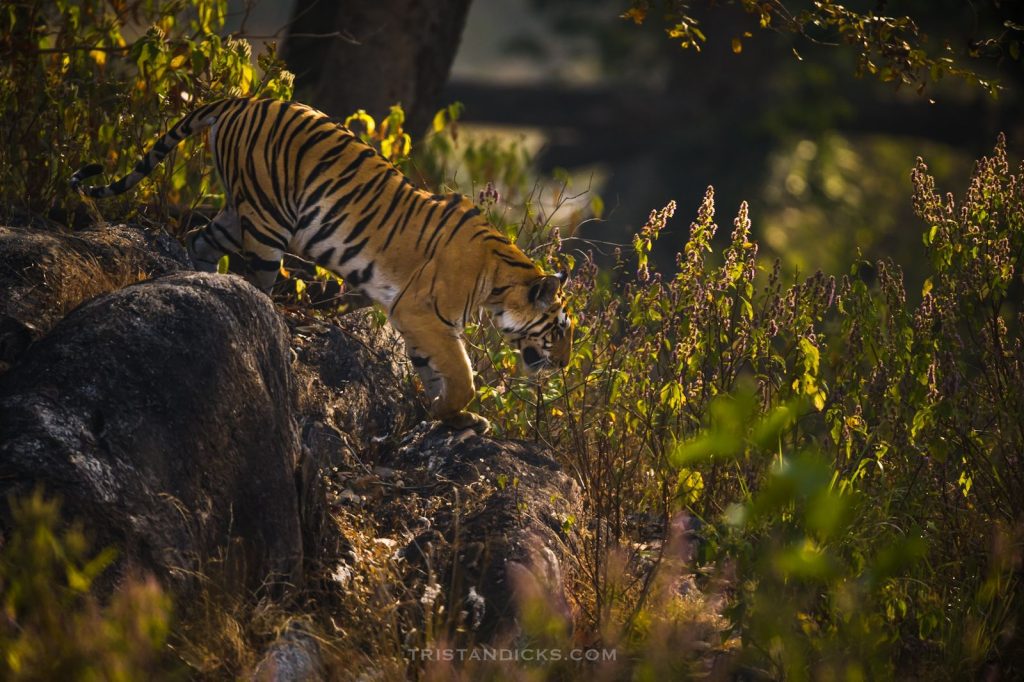
Wetlands in both Africa and India play a crucial role in supporting a diverse array of species. African wetlands, such as the Okavango Delta, are habitats for species like hippos and crocodiles. In India, the Sundarbans and the Brahmaputra floodplains support species like the Bengal tiger and various aquatic birds. These wetlands provide essential resources like water and food, leading to comparable ecological niches and species adaptations.
Climate and Environmental Pressures
The climates of Africa and India, particularly their tropical and subtropical regions, put similar environmental pressures on wildlife. These pressures include temperature regulation, water conservation, and reproductive strategies.
Both African and Indian animals have evolved adaptations to cope with high temperatures. Elephants, found in both regions, have large ears that help lower body temperature . Similarly, many ungulates have developed behaviors such as seeking shade and reducing activity during the hottest parts of the day to avoid overheating.
Water is a critical resource in both Africa and India, leading to convergent adaptations for water conservation. Species like camels and oryxes in Africa and the Indian desert cat and chinkara in India have evolved to survive in arid environments with limited water availability. These adaptations include efficient water usage, nocturnal behavior, and the ability to obtain moisture from food.
Similar reproductive strategies are observed in species from both continents to ensure the survival of offspring in different environments. For instance, many African and Indian herbivores give birth during the wet season when food is abundant, increasing the chances of offspring survival. Additionally, some predators have synchronized breeding to match the availability of prey.

Human Influence and Habitat Fragmentation
Human activities have also played a significant role in shaping the similarities between Indian and African fauna. Habitat fragmentation, hunting, and conservation efforts have impacted species distribution and population dynamics in both regions.
Deforestation, agriculture, and urbanization have led to habitat fragmentation in both Africa and India. This fragmentation has forced wildlife to adapt to smaller and isolated habitats, leading to similar behavioral and physiological adaptations. For example, elephants in both regions have developed strategies to navigate fragmented landscapes and avoid human-wildlife conflicts.
Conclusion
The striking similarities between Indian and African wildlife can be attributed to a combination of geological history, evolutionary convergence, ecological parallels, and human influence. The shared heritage from the ancient supercontinent Gondwana laid the foundation for the distribution of similar species across these continents. Similar habitats and environmental conditions have led to the emergence of parallel ecosystems supporting comparable wildlife.