If you’ve ever dreamed of a once-in-a-lifetime safari adventure, you’ve probably asked yourself: when is the best time to go on safari in Africa? And if you haven’t, this is your sign to find out more about the best time according to your preferences.
The truth is, there’s no single perfect month. The best time for safari depends on what you want to see, where you’d like to travel, and the kind of experience you’re after. Africa’s landscapes and wildlife transform beautifully throughout the year — and every season brings its own kind of magic.
At WanderingThru, we’ve guided guests across Africa’s wildest corners — from the endless plains of the Serengeti to the tranquil Okavango Delta — and here’s everything we’ve learned about the best time to visit Africa for a safari.
Understanding Africa’s Safari Seasons
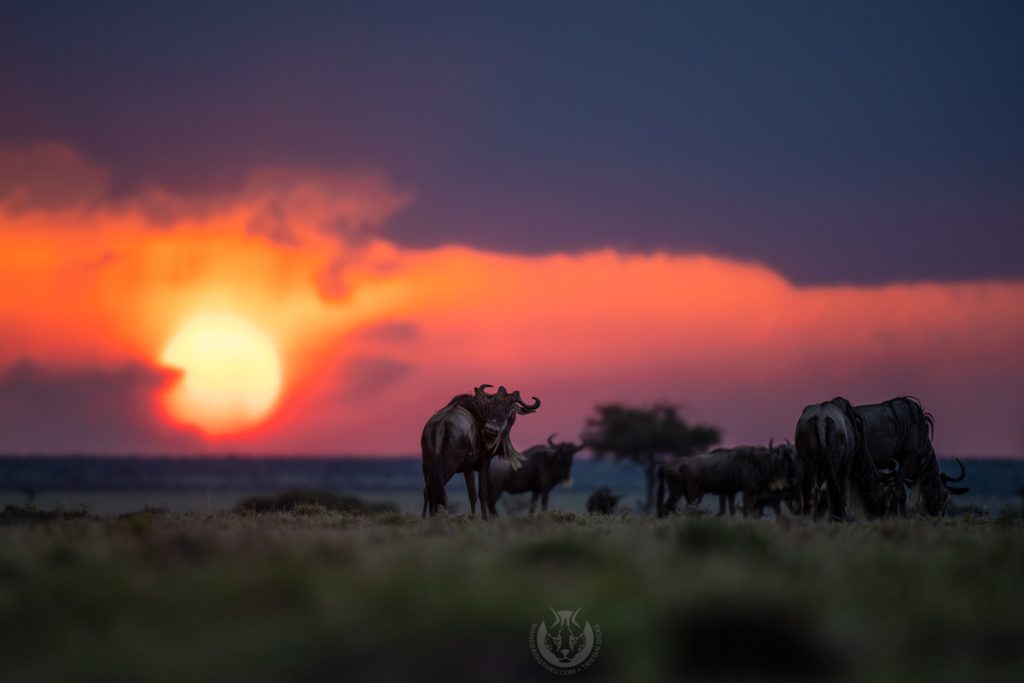
To make it simple, we’ll divide the continent into two main regions: East Africa (Kenya, Rwanda, Uganda, and Tanzania) and Southern Africa (Zambia, Zimbabwe, Mozambique, Namibia, South Africa, and Botswana). For this guide, we’ll refer to the dry season and wet season in each area to help you choose the best time for your African adventure.
During the dry season, Africa experiences clear skies, cooler temperatures, and sparse vegetation. Wildlife concentrates around water sources (especially towards the end of it), making it the perfect time for game drives and wildlife photography. Keep in mind that temperatures can rise significantly toward the end of the dry season, especially in Southern Africa, which may impact comfort during long walks or drives.
The wet season on the other hand transforms Africa into a lush, vibrant landscape filled with newborn animals of some species and an abundance of migratory birds. Dramatic stormy skies provide spectacular photography opportunities, though some areas may have slower travel conditions due to rain-soaked roads. With fewer tourists, the wet season also offers great value for solo travelers and those seeking a more tranquil safari experience.
Since the timing of these seasons varies across regions, the best time to visit Africa depends on your travel goals — whether it’s witnessing wildlife congregations during the dry season or enjoying the lush scenery and newborn animals of the wet season.
East Africa
June to October – The Classic Dry Season
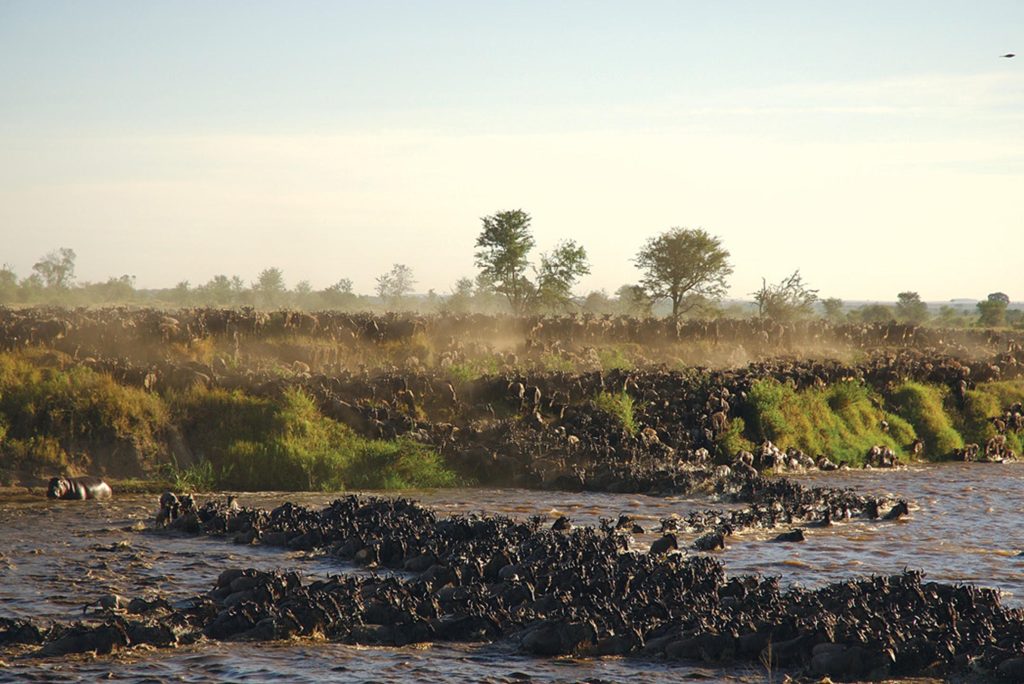
The most popular time for safaris in Kenya and Tanzania, offering warm, dry weather and exceptional game viewing. This is also the peak period to witness the Great Migration’s dramatic river crossings, when millions of wildebeest and zebras move across the Mara River in search of greener pastures. While the Great Migration refers to the circular movement of animals across the Serengeti-Mara ecosystem, these river crossings have become its most iconic spectacle.
If your goal is to see the river crossings in the Masai Mara or Serengeti, plan your safari between July and September. For travelers seeking large herds but fewer crowds, alternative times are possible — the timing and location of animal movements vary year to year, making it worth consulting with local safari experts to tailor your experience.
This period is also ideal for gorilla trekking in Rwanda and Uganda. Trails are drier (even in the rainforest!), forest visibility is excellent, and encountering a family of mountain gorillas in the wild remains one of Africa’s most unforgettable wildlife experiences.
December to March – The Secret Second Dry Season
East Africa experiences a lesser-known second dry season from December to March. While slightly warmer and more humid than the June–October window, it still provides excellent safari conditions, with lush landscapes, abundant wildlife, and smaller crowds. Gorilla trekking is equally rewarding during this period, with good trail conditions and high chances of wildlife encounters.
The Wet (Green) Season

East Africa’s wet season, typically from March to May and November, brings dramatic rains that transform the savannah into a vibrant green landscape. Wildlife is still abundant (especially in the wildebeest calving grounds in the Southern Serengeti), though animals may be more dispersed, and some roads can become difficult to navigate. The wet season is also a fantastic time for birdwatchers and photographers, with stunning skies and fewer tourists enjoying a more peaceful safari experience.
Southern Africa
The Green Season – Lush and Vibrant (November to April)

Southern Africa’s green season is perfect for travelers seeking quieter, more scenic safaris. Summer rains transform the landscape into vibrant, lush scenery, with dramatic stormy skies ideal for photography and newborn wildlife everywhere. While some areas may be wet or cooler, packing for mixed weather ensures a comfortable experience.
This season is particularly rewarding in Botswana and South Africa, where wildlife remains highly visible despite the rains. Birdwatchers will especially enjoy this period, as migratory species arrive in full display. Solo travelers also benefit, as many lodges reduce rates or waive single supplements, making it an excellent time to experience the wilderness without peak-season crowds.
The Dry Season – Peak Safari Months (May to October)
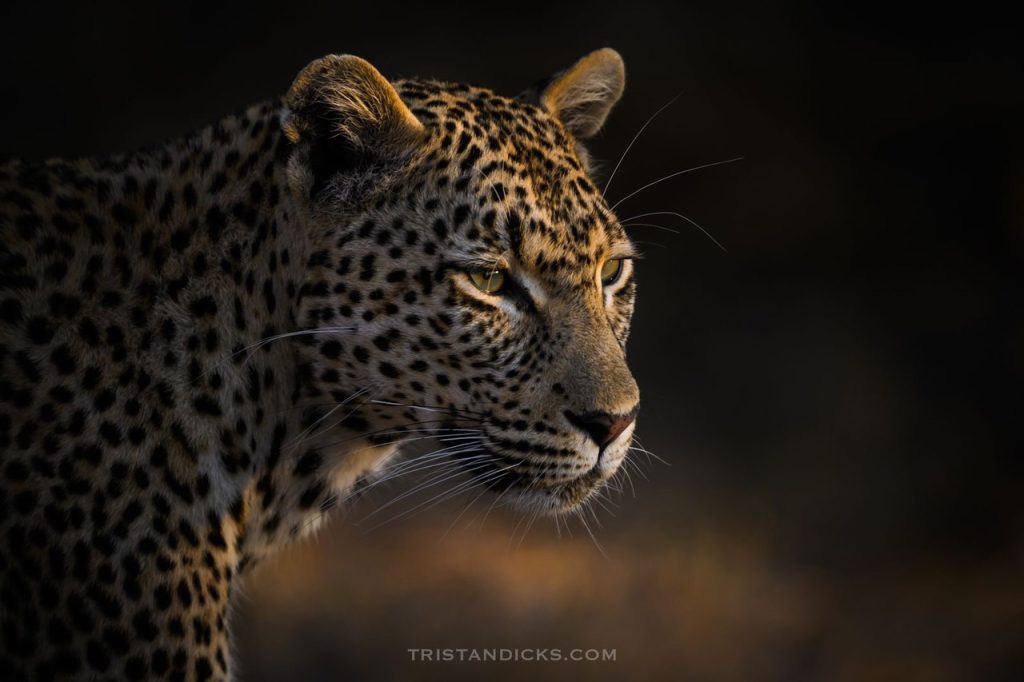
The dry winter months bring clear skies, cooler temperatures, and outstanding wildlife viewing. Animals concentrate around permanent waterholes, making them easier to spot during game drives.
The dry season is also the best time to access seasonal bush camps in Zambia, Zimbabwe, and Mozambique, as some areas can be difficult to reach during the rains. With June to September being peak travel time, early booking is essential to secure the best lodges and safari experience
Choosing Your Safari Season: What to Consider

Deciding when to go on safari in Africa ultimately comes down to your personal priorities. We suggest you ask yourself these 3 questions before you start planning:
-
Wildlife priorities: Do you want to see the Great Migration, gorillas, or massive elephant herds?
-
Weather comfort: Prefer cool, dry days or lush green landscapes after the rains?
-
Crowds & cost: Peak season brings iconic sightings, but low season offers better rates and more solitude.
Every safari season has its story. The best time to go on safari in Africa truly depends on you. Whether it’s the heart-pounding drama of the Great Migration, the peaceful beauty of the green season, or the thrill of spotting newborn wildlife, every month in Africa holds something unforgettable.
Some travelers chase the excitement of the dry season; others fall in love with the colors and quiet of the rains. Whichever you choose, there’s no wrong time — only different kinds of wonder waiting to be discovered.
Ready to Plan Your Safari? Contact us to find the perfect season, destination, and rhythm for your dream African safari.