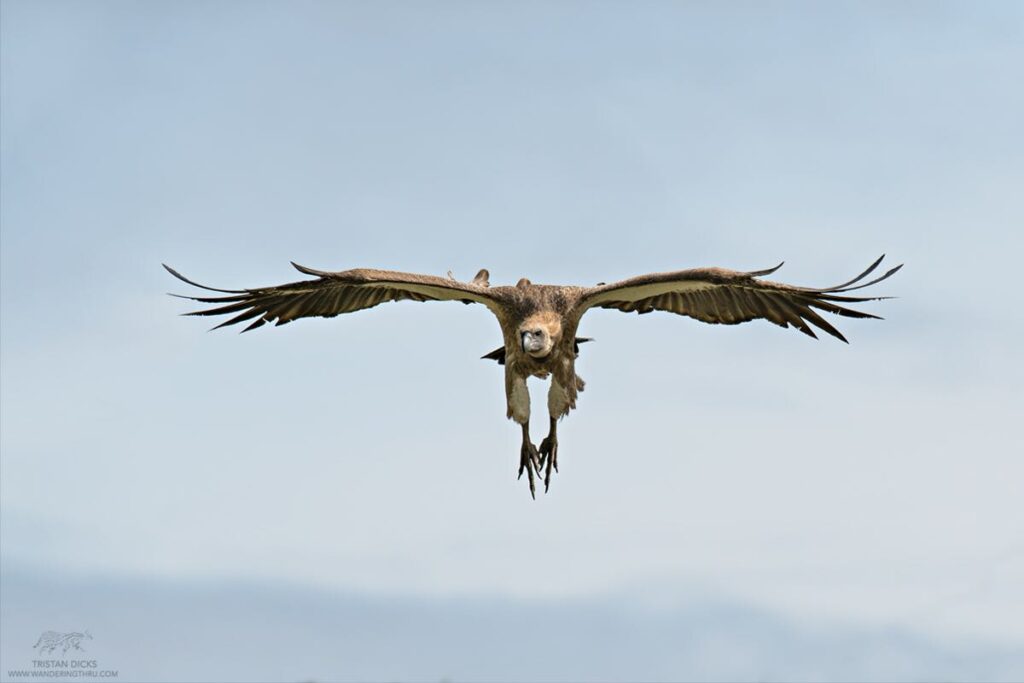
Vultures play a vital role in maintaining the ecological balance of Africa’s diverse ecosystems. These scavengers help prevent the spread of diseases by efficiently disposing of carrion and waste, thereby reducing the risk of contamination. However, these remarkable birds are facing a grave threat in the form of poisonings, which has led to a drastic decline in their populations across the continent. In an effort to raise awareness and combat this critical issue, Vulture Awareness Day has been established. This article delves into the significance of vultures in African ecosystems and explores the dire consequences of poisoning incidents, highlighting the need for urgent action.
Vultures are often not unappreciated and misunderstood creatures, but their ecological significance cannot be overlooked. These large, soaring birds are nature’s cleanup crew, efficiently disposing of animal carcasses and organic waste. Their scavenging behavior helps prevent the proliferation of disease by removing potentially harmful material from the environment. As nature’s sanitation workers, vultures are crucial for maintaining the health of African ecosystems. In Africa, we have numerous species of vultures, the White-backed, the White-headed, the Hooded, the Lappet-faced, the Egyptian, the Bearded and the Ruppell’s. All playing there own unique rolls at a carcass.
Vultures are scavengers, feeding on carrion that would otherwise become a breeding ground for pathogens. By quickly removing carcasses, vultures help control the spread of diseases such as anthrax, botulism, and rabies. Without them, these diseases could become more prevalent and threaten both wildlife and human populations.

These birds play a vital role in preventing the overpopulation of scavengers and reducing competition for food resources. Without vultures, other scavengers like hyenas and jackals could become more dominant, potentially disrupting the balance of the ecosystem. This has already shown itself in certain areas where populations of spotted hyena have exploded.
Vultures also contribute to nutrient cycling by breaking down dead animals into simpler organic compounds. These nutrients are then returned to the ecosystem through vulture droppings, enriching the soil and benefiting plant growth.
Despite their critical role in maintaining healthy ecosystems, vultures in Africa face a growing threat, poisonings. Poisoning incidents are on the rise due to a variety of factors, including illegal wildlife trade, habitat loss, and cultural practices. Poisoning vultures usually involves lacing animal carcasses with toxic substances, such as agricultural pesticides or poisons meant for predators. The consequences of these poisonings are catastrophic.
Poisonings have caused vulture populations in Africa to plummet rapidly. Some species, like the critically endangered African White-backed Vulture, have experienced declines of up to 90% in recent years. At this rate, these birds could face extinction in the near future. Vultures will only breed once a year, raising a single chick at a time. A full breeding to fledging cycle can take 8 months in some species. All vulture species breed in the winter times as nests are built at the tops of large trees and it is simply to hot for them in summer as themselves, the eggs and chicks would be exposed to the direct sun. White-backed vultures for example. After breeding, the egg is laid within 30 hours, the pair (which are monogamous) spend between 56-58 days incubating the egg. Once a chick has hatched, it spends 4 months on the nest where it is fed by the adults. After taking its first flight, the juvenile bird spends a further 4 months learning the tricks of the trade from its parents. This gives the adults only two months off before they start again. This is why in cases where a few hundred birds have been poisoned it is a disaster as it will take decades for the numbers to get back to what they once were.

Poisonings intended for specific predators or scavengers often result in collateral damage. Vultures, being indiscriminate feeders, are frequently unintended victims, along with other wildlife and even domestic animals.
The rhino poaching has also been a contributor to this. Poachers know that vultures can alert anti-poaching teams to their presence and so poachers will poison carcass to try and eliminate these birds. The Endangered Wildlife Trust, along with local vets and some of the rehabilitation centers have worked to try and save a lot of these poor birds.
The loss of vultures disrupts the vital ecosystem services they provide, including disease control and nutrient recycling. This disruption can have far-reaching consequences for the health and balance of African ecosystems.
In response to the urgent need to protect vultures and raise awareness about their plight, Vulture Awareness Day was established. This annual event, celebrated on the first Saturday of September, aims to educate the public and try to get conservation efforts to save these iconic birds. The day encourages the initiation and support of vulture conservation projects. These efforts may include habitat protection, anti-poisoning campaigns, and breeding programs to bolster dwindling populations. Vulture Awareness Day fosters international teamwork amongst countries facing vulture-related challenges. Sharing knowledge, resources, and best practices can help develop effective strategies for vulture conservation across the world.
Vulture species are in big trouble and there are a few ways we can change this. Firstly we need to strengthen laws on poisoning, not only vultures but other wildlife as well. Penalties for these people should be harsh to stop these people. Education, like with most things is key. People need to be taught and made aware of what vultures do for us. Not only rural communities need this, but farming communities and urban communities as well. Research is also key as this helps monitor the populations, behavior and ecology.

Vultures are unsung heroes of Africa’s ecosystems, playing a vital role in disease control, ecological balance, and nutrient recycling. However, they are in trouble from the growing threat of poisonings, pushing many species to the brink of extinction. Vulture Awareness Day serves as a reminder, asking people around the world to take action and protect these remarkable birds. By putting effective conservation strategies, enforcing legislation, and raising awareness, we can ensure that vultures continue to fulfill their crucial role in maintaining the health and balance of African ecosystems for generations to come. It is our responsibility to act quickly to save these invaluable creatures from extinction.