The art of tracking has been practiced by humans for as long as we have been around. It was important to find other humans and most importantly, to hunt, to find food. Tracking is still used today, especially whilst on a safari. It is easy to drive around and hope the you find animals by chance or luck, but tracking takes skill. It brings a whole new dimension to a safari and it is magical to watch someone that is good at tracking, do their job. It is something that not everyone can do, it is a special skill often passed down from generation to generation.
A lot of information can be taken in about mammals, birds, reptiles and invertebrates without even having seen them. This may sound strange to some, but every single animal leaves some trail of its movements where we can recognize them. Once you are really good at tracking, you can even put together a story of what the animal is doing and follow them.
Understanding Tracking
When it comes to tracking and following the trail of an animal, there are a few things that people look at and consider. The tracks themselves are obviously very important and need to be looked at carefully. The species needs to be identified and if it is something you would like to try and trail, the age of the track is also important. It is pointless knowing you have a lion track, but then trying to find an animal that was there five days prior.
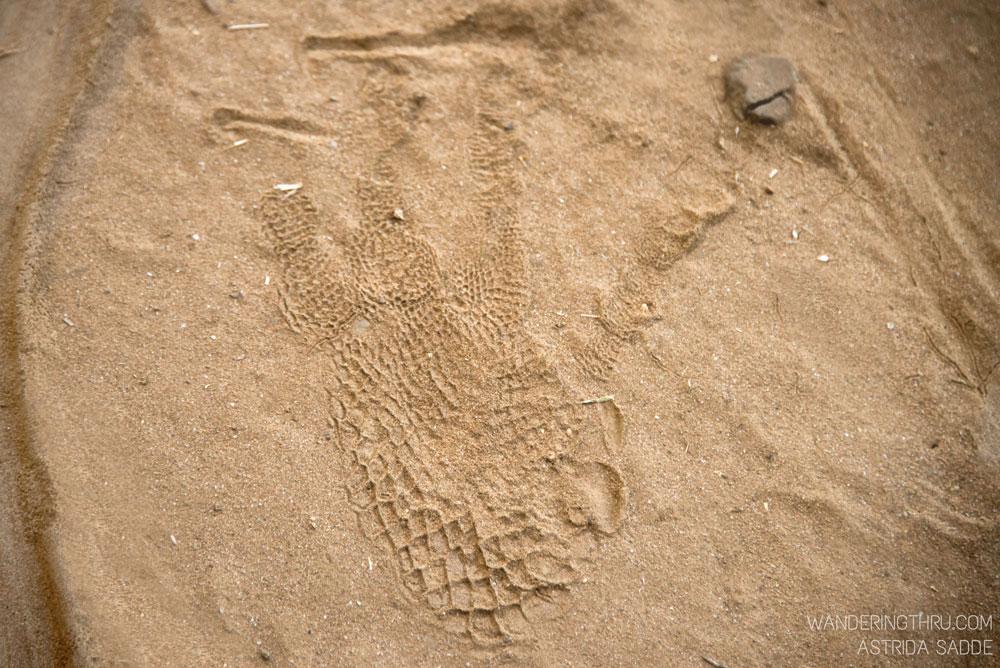
Ages of the track can be determined by a few things. Looking at other animals tracks is a good way to age a track. For example, if you are tracking a rhino and there are a nocturnal animals in the rhino tracks, you can be sure the rhino had been there the previous day. Fresh tracks also look sharper than older tracks as soil slowly falls into them. Different substrates also play a key role in figuring out the age of tracks.
There are not only tracks though when it comes to trailing and finding an animal and there are a few other things that can help. The scat or droppings of the animal can confirm the species you are trailing, but the freshness of the scat can also help tell how far behind the animal you are. Feeding signs can help as well, the fresh remains of a kill or tell tale signs of a herbivore browsing can help as well. Territorial scrapping, rubbing against vegetation or mud wallowing can all help here as well.
Who left the track?
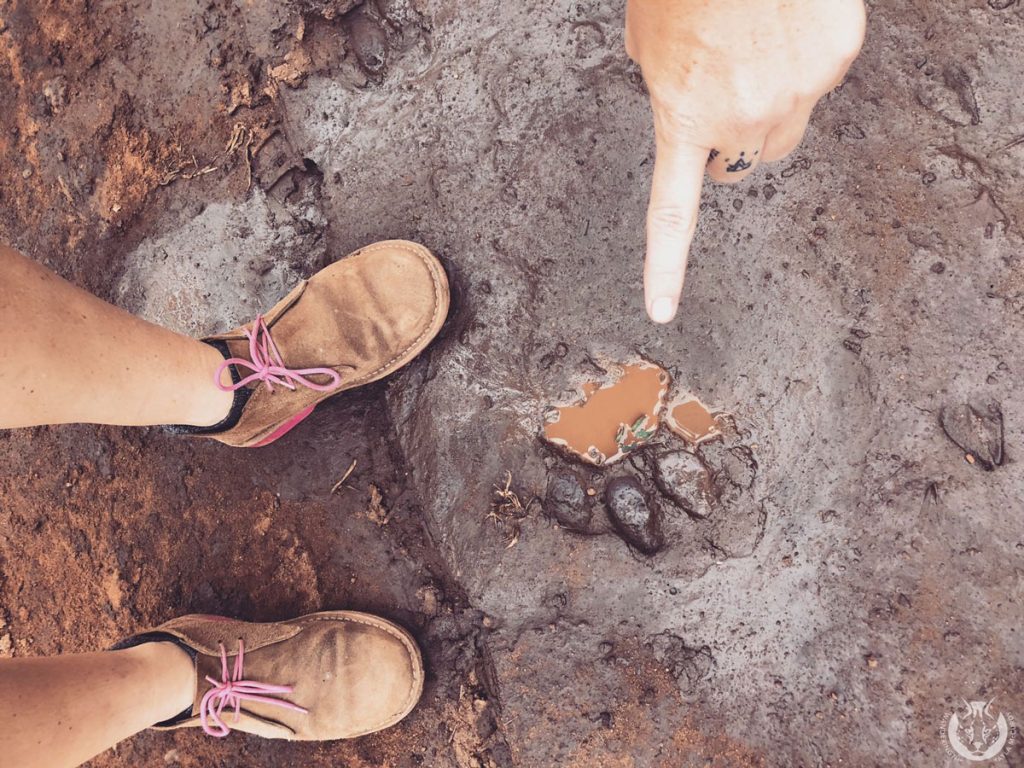
When following or looking for a specific species, you must be able to identify the maker of the track. A general shape of the track is a good start, and can quickly eliminate a whole host of confusing animals, like with cats and dogs. It is also a good idea to measure tracks if you are not sure as this can help with identifying animals that may have similar size tracks, like a lioness and a male leopard. Marks, like claw marks can also be a good give away, along with the amount of padding, or a dew claw being present. Observing the gate of the animals trail can also tell you how quickly an animal is moving.
What is important?
A keen eye for detail is can be a big game changer when you are tracking or trailing an animal. A stone turned in the wrong direction or a twig that has been snapped may be the only sign of animals movement. Being apple to know the habits of a species or even an individual can help you save time and potentially even allow you to leap-frog ahead. For instance a herd of animals moving towards water or animals moving towards a den site. Interpretation can save you a lot of time. Patience is key when you are tracking. If things are rushed, something will invariably be missed and you may have to go back on yourself, wasting time.
Safety
People that are tracking or trailing an animal can sometimes “forget” where they are as they are so caught up in the moment and concentrating on one thing. It is important to remember to be stealthy while following an animals trail, especially if you want to see the animal. The last thing you want to do is trail in the animal for two hours and the scare it away. Also the fact that you are tracking in the wild means that there could be other dangerous animals about and so you need to be aware of your surroundings at all times.
Trackers on the vehicle
There are not too many countries outside of South Africa where you get both a guide and a tracker. The tracker usually sits on the seat on the bonnet/hood of the vehicle. People on their first safari often think that the tracker is a spotter and yes, they do spot a lot of animals as they have a trained eye. Most of the time though, when you observe a tracker, he will be looking down at the ground. He will be looking for any fresh tracks or signs of an animal you may be looking for. From here, the tracker can often tell you the species, the age, direction and sometimes even individual that made the track. From there on it’s a puzzle, putting together where an animal has gone and how to find it.
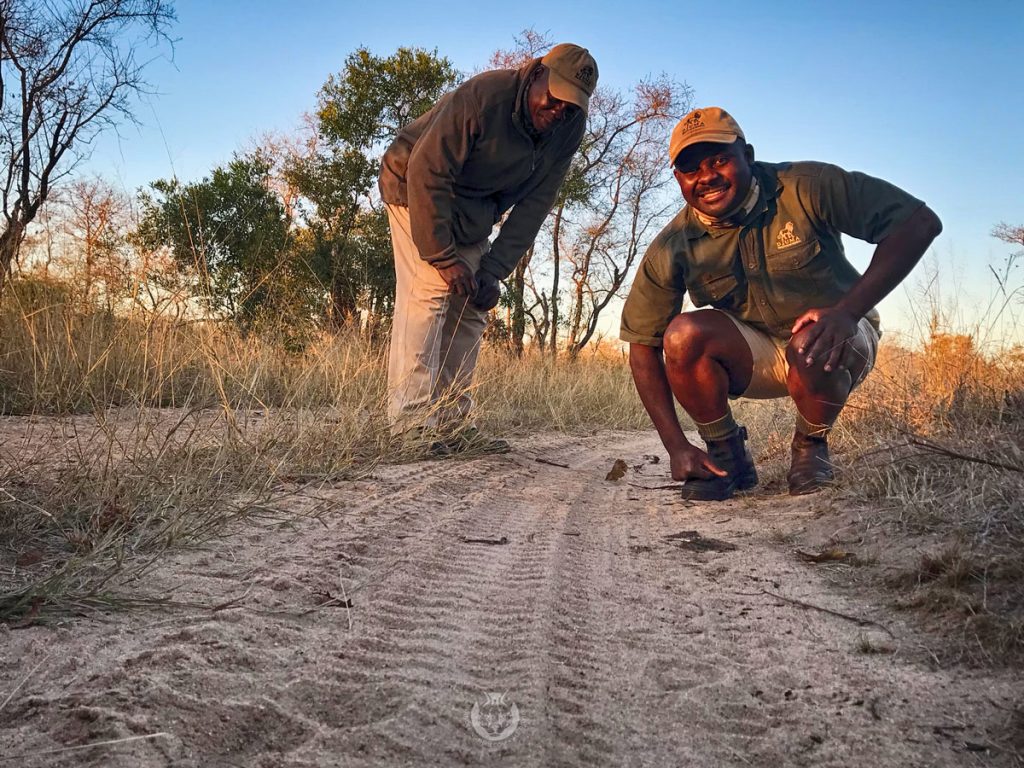
A lot of guides these days are also very good trackers. Ones that have had the privilege of working with a good tracker, will invariably learn a lot from them. In areas where guides do not have a tracker with them, will have to learn themselves if they are to find animals for their guests and not rely on their radio all of the time.
A story
Almost everywhere you go, there are stories to be pieced together from the tracks and signs. A lioness stalking a zebra, you will see the approach tracks, the spot where the cat has crouched. The jumping prints where once sheathed claws are now extended and the deep tracks as the zebra turned and exhilarated to try and get away. Or something as simple as a dove feeding along the road, picking up grass seeds as it went, before having a dust bath. Most people walk past these stories without ever knowing, where the trained eye will put it all together for you, a true art.
Conclusion
Tracking and trailing animals is an incredible way to test one’s self, both with regard to patience and ability. It is also a way to bring you closer to nature, giving you a better understanding of it all. It is definitely something to have a look at and pay attention to on your next safari!