In many parts of Africa, the Marula tree (Sclerocarya birrea) are closely associated with elephants, one of the continent’s most iconic animals. Whether through ancient African myths and folklore or simply because elephants love their fruits and browse on their leaves, there is a unique bond between these two species. Some stories about their relationship are rooted in truth, while others were crafted to entertain. In this post, we celebrate both the tree and the pachyderm, uncovering the fascinating truth about their connection.

How Elephants Help with Marula Tree Seed Dispersal
Elephants absolutely adore marula fruits. When the trees bear ripe fruits, usually between January and March, elephants will travel long distances to reach them. Only the female marula trees produce the golf ball-sized fruits, and herds often move from tree to tree, sometimes stationing themselves under favored trees. Certain trees are known to produce sweeter, tastier fruits, attracting even large bulls to shake the branches and loosen the fruit.
If you want to find elephants in the wild, simply watch the marula trees—soon, you’ll see them “dancing” as elephants shake the branches. During peak marula season, it is nearly impossible to find a tree with any fruit left beneath it.
Elephants have an inefficient digestive system, digesting only about 40% of what they eat. While the fleshy fruit is partially digested, many seeds pass through intact. The stomach acids help scarify the hard seed kernel, preparing it for germination. When excreted in large dung piles, these seeds are already primed for growth. Combined with rain and favorable conditions, elephants effectively disperse marula seeds over vast areas, playing a vital role in the survival of these trees.
Debunking the Myth: Elephants Don’t Get Drunk on Marula Fruits
A popular myth suggests that elephants get intoxicated from marula fruits, which supposedly explains their love for them. This is false. The misconception originates from a 1970s documentary called Beautiful People, which depicted desert animals appearing intoxicated by marula fruits. In reality, the trees do not even grow in the areas where the documentary was filmed. Some animals were reportedly fed alcohol-soaked fruits to create dramatic effects for viewers.
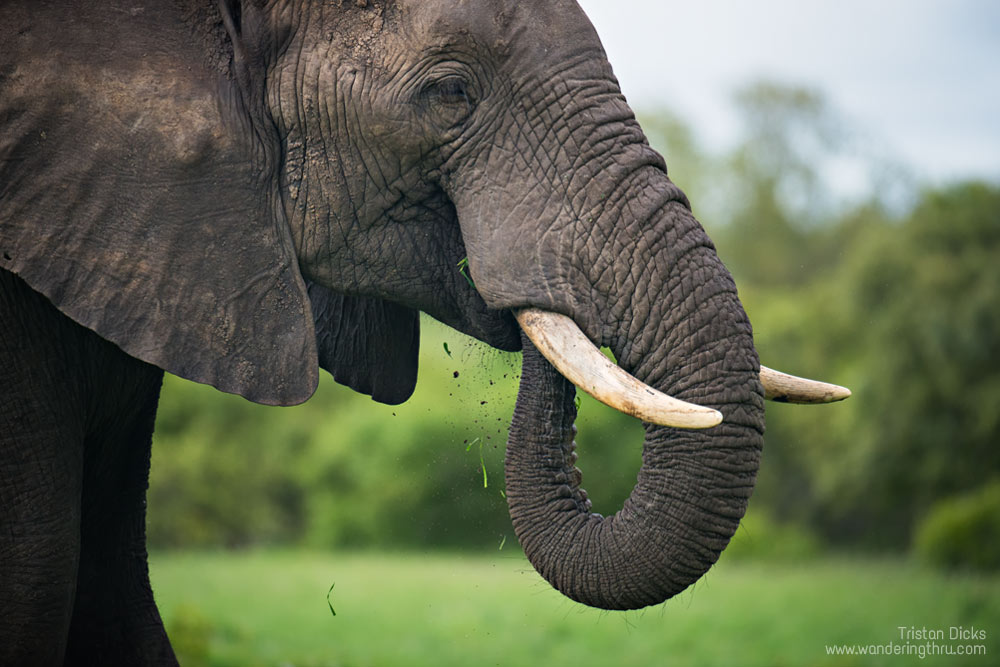
The truth is that marula fruits are incredibly high in vitamin C, making them nutritious rather than intoxicating. The fruits provide a valuable immune system boost before the winter months. With elephants’ rapid metabolism, alcohol cannot form in their digestive system, and even if fermentation occurred, it would have no effect on an animal weighing over six tons.
Amarula: A Taste of the Marula Tree
While elephants may not get drunk on marula fruits, humans have found a way in the form of Amarula, a creamy South African liqueur. Amarula tastes similar to Bailey’s but with richer caramel and nutty notes. The fruits are distilled and aged in wooden barrels for two years before being blended with cream, and the bottle even features an elephant emblem.
On safari, Amarula is a favorite in desserts, drizzled over ice cream, or infused into other treats. It also makes a perfect sundowner drink and pairs wonderfully with coffee or hot chocolate. Safari guides often have their own signature “mocha” Amarula drinks, which have become a beloved indulgence for all safari-goers!

Other Uses of the Marula Tree
Elephants also browse on Marula leaves, and when trees fall or are pushed over, other animals seize the opportunity to feed on the foliage. Elephants enjoy eating the cambium layer, rich in nutrients and water, but stripping it extensively can kill the tree. The wood is soft, and once exposed, it is vulnerable to insects, weakening the tree over time. Elephants may even feed on branches themselves.
Local communities also benefit from the marula tree. The Shangaan people use the cambium layer to relieve insect stings, creating a warming paste applied to the affected area. The Venda people make tea from the bark to aid fertility, choosing trees based on the desired sex of their child.
Why the Marula Tree is Vital
The marula, often called the Elephant Tree, is essential not just for elephants but for a variety of animals and human communities across Africa. If you ever have the chance to taste a marula fruit or enjoy a glass of Amarula on safari, do so—you’ll be connecting with a tree that plays a remarkable role in the ecosystem and the lives of the gentle giants that roam the African wilderness.