For people that have worked or lived in the bush, along with guests that have visited for many times or over periods of time, it is evident that there is change. Large trees or thick stands of vegetation that once existed or gone or have been killed. The culprit, elephants. About half a million elephants live in Africa at the moment. Before the previous bout of poaching, we may have been sitting at around 1.3 million elephants on the continent.
Elephant numbers are doing exceptionally well in most protected areas and because of their feeding habits, the vegetation has borne the brunt of this. We as guides are often asked if there are not too many elephants? This is a difficult question to answer as it can be viewed from many different angles and even come down to one’s own opinion. In this blog, we will look at different reasons as to why numbers have escalated, how we could help and what elephants actually need.

Why do we need elephants?
Yes we know that elephants debark, uproot, trample and break trees. It is often forgotten though that are massive seed dispersers, they create homes and den sites for smaller creatures. They help food become available to other species that may not otherwise have been able to access and most importantly they open up thickly vegetated areas. Elephants that are found in open systems will very rarely completely destroy an area or change it irreversibly, it is unfortunately in smaller protected areas where it can be a huge problem.
Why have elephant numbers escalated?
One of the main reasons for the elephant population, is the fact that we have made water so readily available to them. Water that we pumped from boreholes once served a purpose, but there is far too much of it now. Unfortunately with the tourism industry, people know that animals come to water and so many areas have artificial water points to attract game to their areas. This can be detrimental to the vegetation in an area over time as herbivores spend more time in the area, doing more damaged. It does allow vegetation the “rest” it needs as water is in an area permanently rather than seasonally.
In areas where water is not supplied, the survival rate of a calf during their first three years of life, will depend on rainfall. When there is little rainfall, weaker calves that cannot trek the long distances between water sources do not make it. In areas where water is supplied, these calves survive as water can be within a few kilometres or miles. Hence better success rate and so more elephants.
Elephants and fences
Putting up fences seemed like a very good idea many years ago. It meant that the wildlife was kept away from people and avoided conflict between farmers and wildlife. It also kept people away from the wildlife and so has aided bring the poaching percentages down. These fences have now been seen as counterproductive, restricting the movement of large animals. This has stopped elephants moving around finding food at difficult times. This has put the land and vegetation under even more pressure.
From aerial studies, it has been observed that areas close to a fence line take more pressure from elephants than further into the reserve. This bundles the activity of the elephants as they hit the fence and need to turn back. This lack of dispersal can have a similar effect to unnatural water sources. It increases the elephant related impacts on the vegetation and eventually other species.
What have we done for elephants?
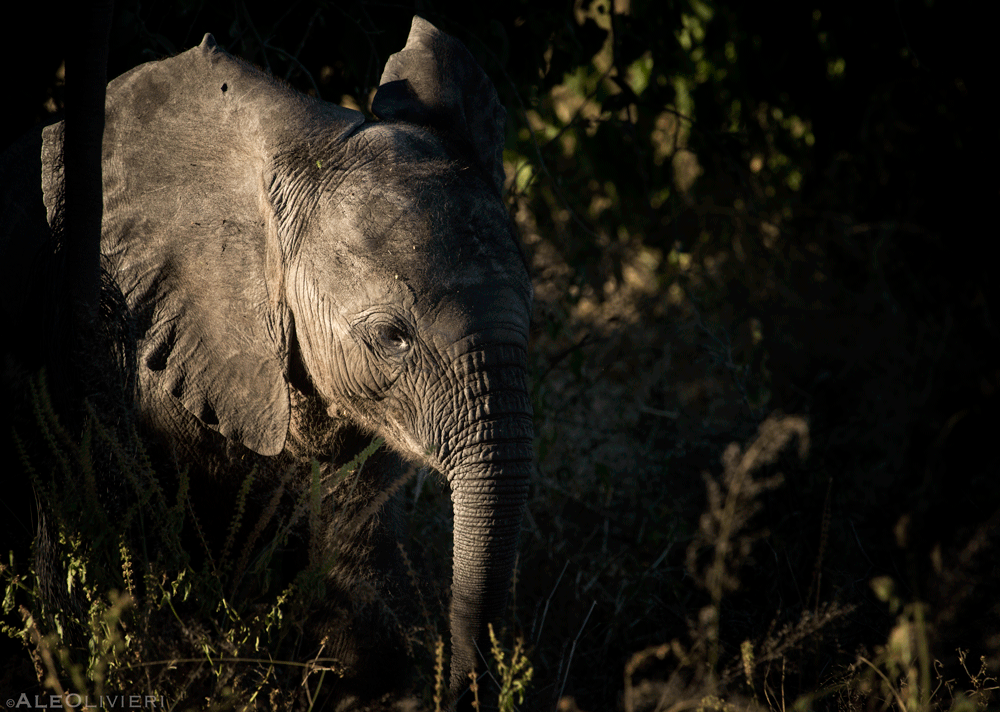
Although many don’t like to believe, we have done a lot for elephants. We are all aware of the terrible poaching that happened years ago and so we now protect them. Land has been set aside for them, water has been provided where necessary and we have fenced some of them away from people. Culling of elephant populations no longer happens, although hunting does still take place in certain areas and the occasional problem animal may be removed by authorities.
Elephants have been studied on a much larger scale now and people have realised how unique and special they are. They are a massive tourist attraction and so bring a lot of revenue into areas where they are found. We can happily say that we have done a lot for elephants and will continue to do so.
How can we help elephants even further?
The best way to do this, would to remove fences. This will allow elephants to move over larger areas and spread the pressure they put on the vegetation. Natural corridors will be formed between populations, allowing them to integrate. The removal of waterholes from areas will also help promote this and get the animals moving again. When it comes to animals like elephants, people need to stop thinking about the short term solutions are rather think long term.
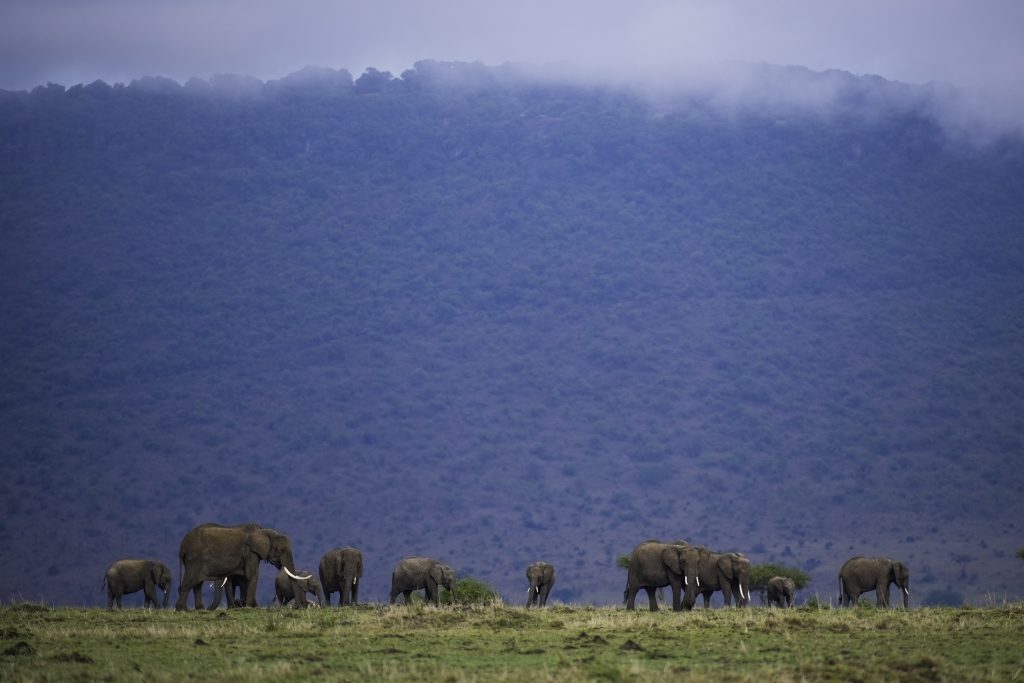
For people that live in parts of Southern Africa, this is very new and people can’t think of elephants moving around freely. In other parts of Africa, Central and Eastern, it has been going on for decades already. Although it can make poaching easier as it is difficult to monitor animals moving through unprotected areas, the vegetation is thriving and so are elephant numbers.
In areas that are going to remain fenced, management of these numbers should happen long before they negatively impact the land and vegetation. Numbers can be helped by contraceptives, but this can only be used small scale but cannot be used on larger, wandering populations.
Conclusion
The ‘elephant problem’ is most certainly there, but needs to be defined in another way to what it is now. Some people think there are far too many elephants, where others say there are too few. It has to be looked at from where it comes from. If people look at the damage they do to vegetation and crop raids, then yes there may be too many. The problem that we as humans, with our ever growing population, needs to figure out, is whether the space given up to elephants can change and how.