Staying clean isn’t just a human thing—it’s survival.
In the wild, scent can mean everything: attracting a mate, avoiding a predator, or sneaking up on dinner. Being overly smelly (unless you’re a hyena) is usually a bad idea.
That’s why grooming and cleanliness are key parts of African wildlife behavior. From tongue-powered grooming rituals to rolling in the mud like it’s spa day, animals across the savannah have evolved clever ways to keep their skin and coats healthy—and often, these behaviors do a lot more than just clean.
Let’s dive into the fascinating world of animal hygiene you’ll witness on safari in Africa.
Grooming: More Than Just a Bath
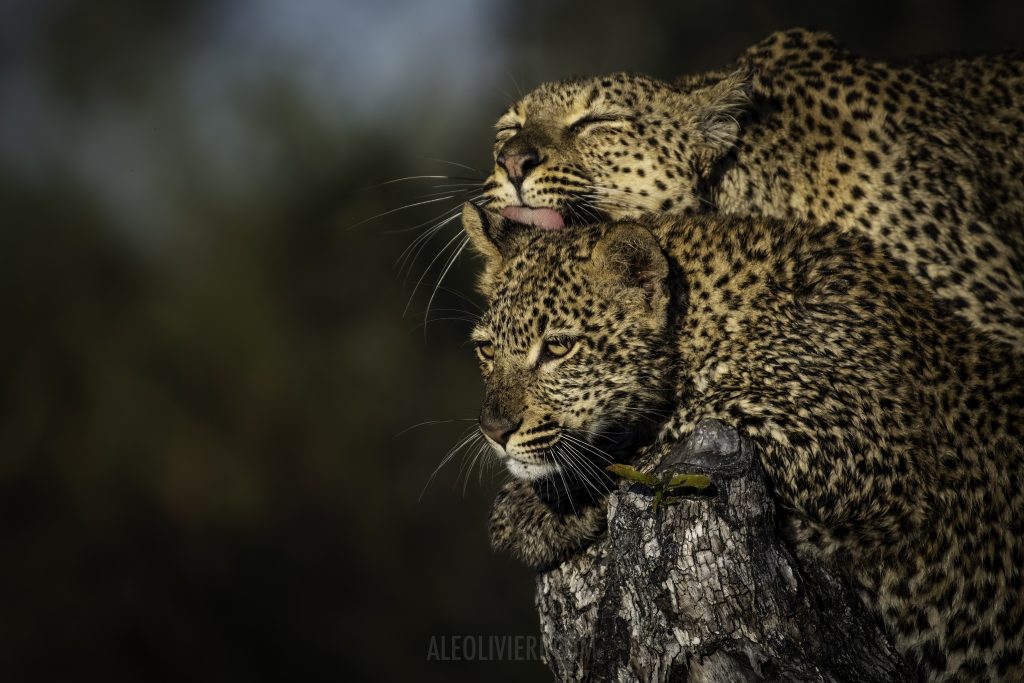
Grooming is one of the most common behaviors you’ll spot in the bush—and it’s not just about hygiene. It’s also crucial for social bonding.
Big cats like lions often groom each other (called allogrooming) before hunts or after feeding frenzies. Their barbed tongues act like brushes, cleaning coats and removing blood, dirt, and scent that could betray their presence to prey.
Primates, on the other hand, take grooming to the next level. Fingers, teeth, lips—you name it, they’ll use it. Grooming is a major social tool, sometimes even tied to hierarchy. High-ranking individuals rarely groom those beneath them, while lower-ranking members often use grooming to earn favor.
So next time you see monkeys or baboons fussing over each other on your game drive, know that it’s about more than just cleanliness—it’s politics.
Primates probably spend more time grooming than any of the other animals. They will use whatever they can to try and help themselves or a group member to get clean. This means fingers, tongues, teeth and even lips may be used. They will spend time in the morning just before getting active, the evening before sleep and any relaxing time during the day to groom. In some species, grooming can help you climb the hierarchy and highly ranked animals will very seldom groom a lower ranked individuals. Lower ranked animals may try use grooming to get favour with others though.
Mud Baths: Nature’s Spa Treatment

If you’ve ever been lucky enough to witness a rhino or buffalo having a good roll around in the mud, the delight on their faces is quite clear. Rolling around in mud is a great way of drowning parasites that are on the animal and then peeling them off when the mud dries and falls off. It is also a great way of keeping other biting parasites and flies off of them as they cannot bite through a thick layer of mud. The mud itself then also doubles up as a coolant and protection from the sun. An unusual animal that people don’t expect to see wallowing is a pangolin! Pangolins absolutely love having a good mud wallow, rolling on their back, getting the mud in between their scales, getting rid of parasites. Mud can get into places animals would otherwise not be able to reach.
Dust Baths: Desert Exfoliation, Bush-Style
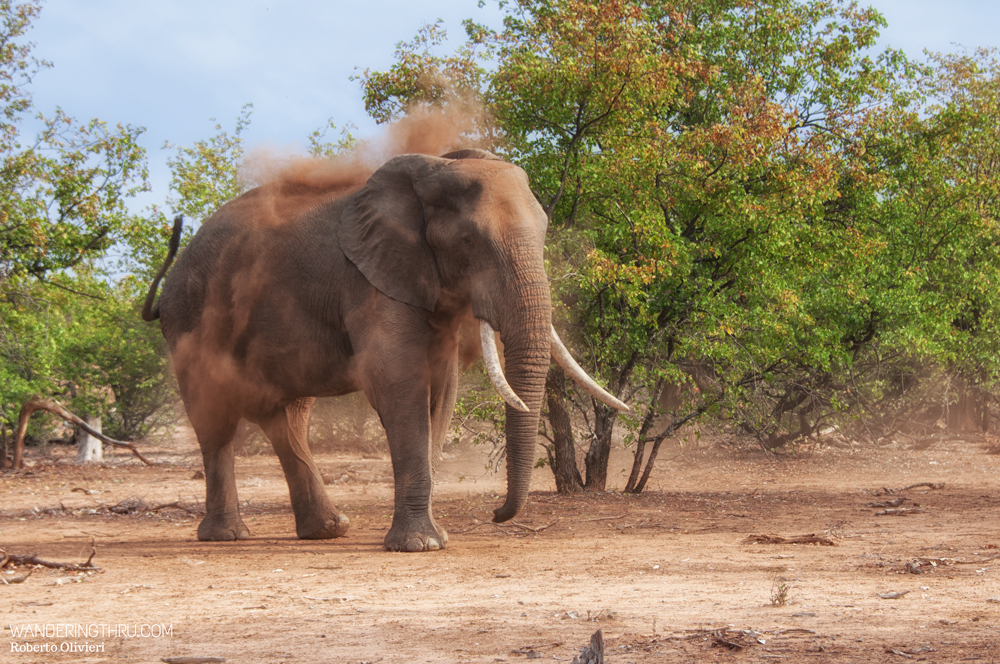
After a dip, elephants often coat themselves in dust, using their trunks like shovels and throwing the earth over their backs. The dust gets into every crack and crevice, exfoliating their skin and forming a protective crust.
Zebra and wildebeest prefer dust to mud. For a wildebeest bull, a dusting spot can be part of his territory—and an important drawcard for potential mates. Turns out a good spa setup can be sexy in the animal kingdom.
Oxpeckers: Africa’s Mobile Grooming Crew
Ever seen a buffalo with a bird on its back? That’s no passenger—it’s a red- or yellow-billed oxpecker, nature’s pest control squad. These birds specialize in removing ticks, fleas, and dead skin from large herbivores.
-
The yellow-billed oxpecker handles the big ticks.
-
The red-billed oxpecker focuses on smaller parasites and lice.
Sometimes they even pick at wounds, keeping them clean—though this can slow healing a bit. Bonus: oxpeckers also serve as early warning alarms, calling out when predators or people approach. Handy for the animal… and for walking safari guides!
Why Clean Matters in the Wild
Staying clean in the African bush isn’t about vanity—it’s about survival. Whether it’s lions grooming to stay stealthy, elephants exfoliating with dust, or oxpeckers doing their bit, hygiene in the wild is serious business.
So, next time you’re on safari and spot an animal covered in mud, kicking up dust, or sharing a grooming session—it’s not just behavior. It’s instinct, evolution, and sometimes even social strategy.