Pangolins, also known as scaly anteaters, are critically endangered species found in Africa and Asia. These unique mammals are covered in hard, overlapping scales that protect them from predators.
In Africa, pangolins occur in various countries such as South Africa, Kenya, Cameroon, Ghana, and many others, but the species is facing extinction due to illegal hunting and habitat destruction. Unfortunately, their meat and scales are highly sought after in traditional Asian culture and medicine. As a result, pangolins are now the most heavily trafficked mammal in the world, with an estimated one million pangolins poached in the last decade.
[dt_gap height=”10″ /]

[dt_gap height=”10″ /]
To save these animals, conservation organizations and governments are working to raise funds to protect pangolins and their habitats. These funds are used to support anti-poaching efforts, conservation research, and education programs to raise awareness about the importance of pangolins and the need to protect them.
Two examples of such organizations are Provet Wildlife Services and Umoya Khulula Wildlife Centre, situated in the Lowveld of South Africa. They work with conservation organizations, government agencies, and law enforcement operations to protect pangolins and combat the illegal trade of pangolin products.
[dt_gap height=”10″ /]
[dt_gap height=”10″ /]
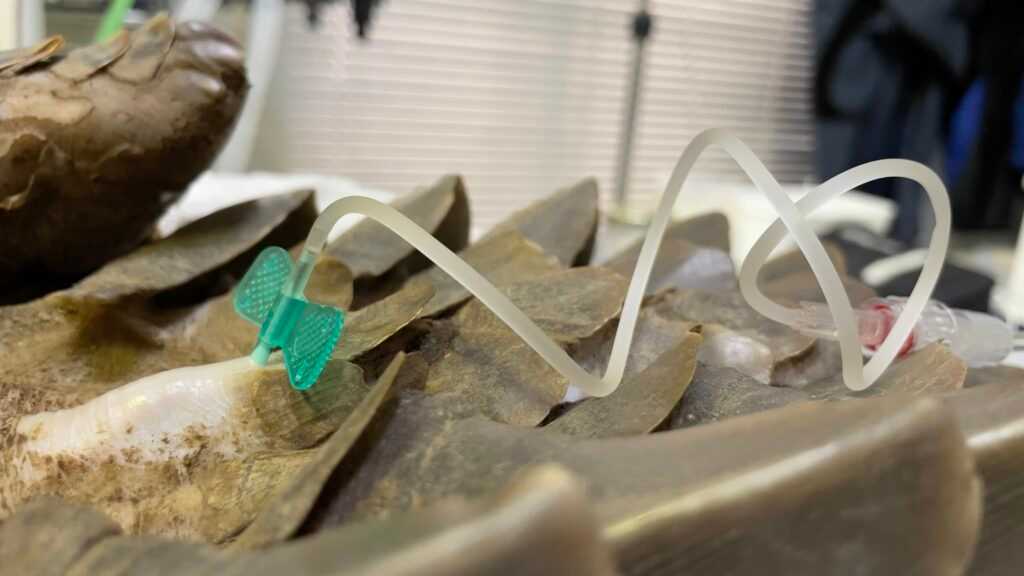
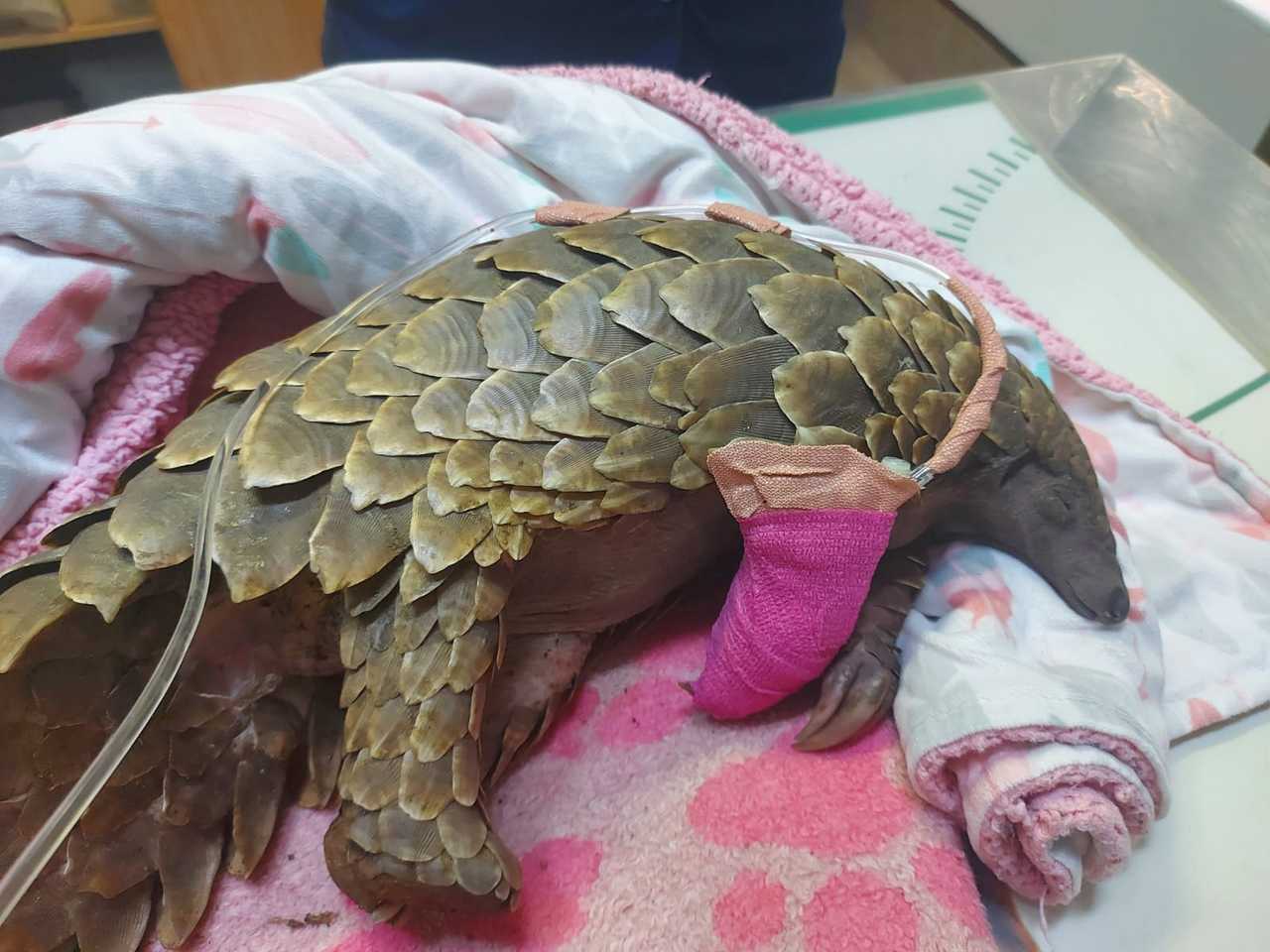
Provet has taken on the responsibility of treating and covering the medical expenses that are incurred during the rehabilitation process of the pangolins which are saved from the wildlife trade; these costs are exponential. The cost of treating one pangolin is approximately R10 000 (USD$550) per week. The pangolins must be tube-fed one to two times a day and have to be sedated during this process. They are also susceptible to lung infections due to the conditions the poachers keep them in, which could be in a backpack soaked in urine and faeces or even at the bottom of the oil/fuel barrels. Their health status will determine how long the pangolins are kept under the watchful eyes of vets before moving to a rehabilitation centre, such as Umoya, where they will prepare the pangolins to be released back into the wild.
We need your help to save this species, the best way to assist is in the form of donations, you can do this through the WanderingThru Conservation Fund where 100% of the proceeds donated will go into the expenses incurred in rehabilitating the pangolins rescued from the wildlife trade.
[dt_gap height=”10″ /]
 [dt_gap height=”10″ /]
To help you can either ‘Adopt a Pangolin’ for a minimum monthly subscription of USD$50 or you can make a Once-off donation (place link) of US$D500 which will help cover the expenses for a year. Both types of donations will give access to updates on how the pangolins are doing in the form of exclusive pictures and videos.
The pangolins come and go as Provet and Umoya together have a high success rate when it comes to rehabilitation and releasing pangolins back into the wild. The funds donated will go directly towards the medical vet bills of these pangolins.
[dt_gap height=”10″ /]
 [dt_gap height=”10″ /]

[dt_gap height=”10″ /]

[dt_gap height=”10″ /]
Visit our new conservation fund page on the WanderingThru website, dedicated to helping wildlife and social issues in the greater Kruger and surrounding areas.
**DISCLAIMER** No pangolins are kept onsite at Provet or Umoya. These pangolins are kept at an undisclosed location for the protection of the animals and staff of these organizations.