The Serengeti and Masai Mara are two of the most iconic wildlife destinations in East Africa. People are often confused by the two and are not sure what the differences are. Both areas are known for their incredible landscapes and diverse ecosystems, but they also have unique characteristics that distinguish them from each other. While they are often considered part of the same ecosystem due to the Great Migration, they differ significantly in terms of geography, wildlife, cultural significance, and conservation views and efforts.
Geography
The Serengeti National Park, located in Tanzania, covers approximately 14,750 square kilometers. Its landscape is characterized by vast savannas, woodlands, and riverine forests. The park is part of the Serengeti Ecosystem, which also includes adjacent conservation areas like Ngorongoro Conservation Area and the Maasai Steppe. The terrain changes from open grasslands to hilly areas, with the iconic Seronera Valley being a key area for wildlife viewing. The park is known for its seasonal weather patterns, which influence animal behavior and migration.
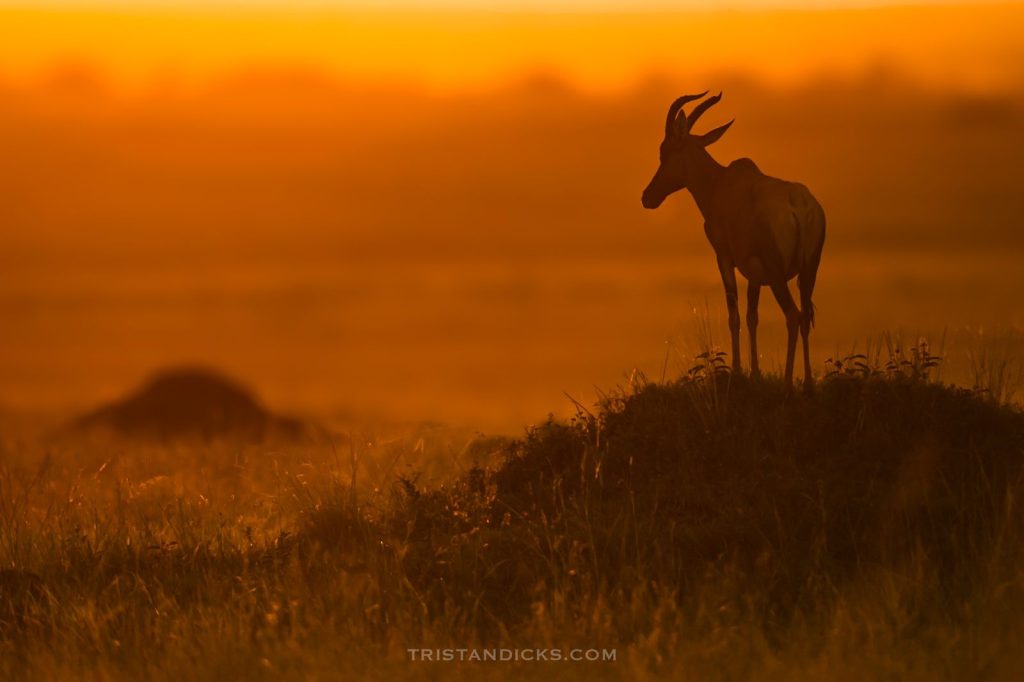
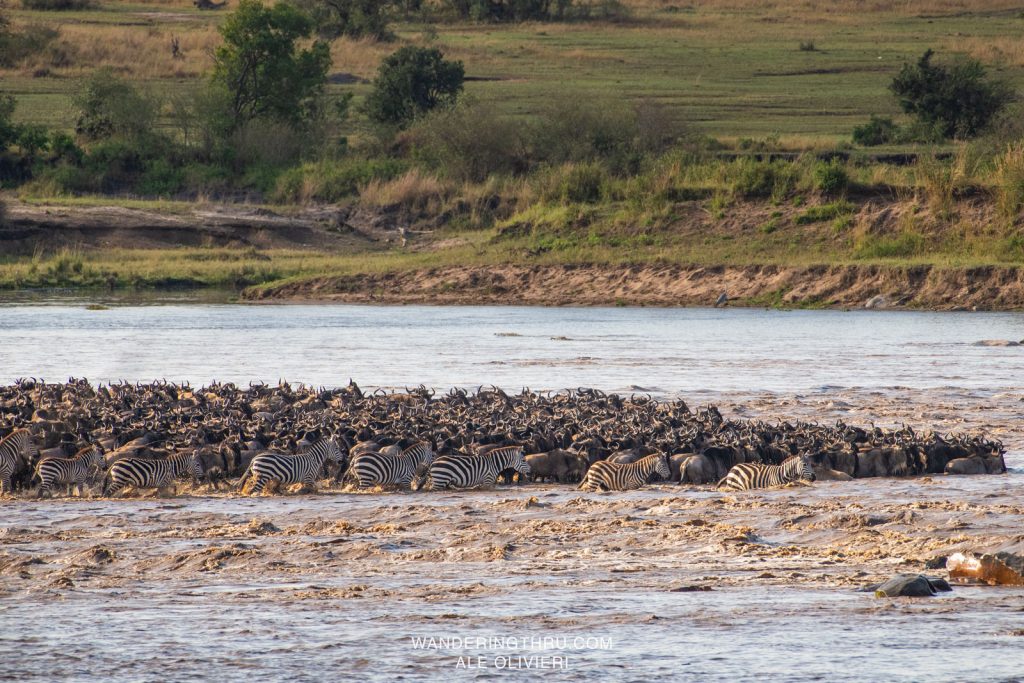
The Masai Mara National Reserve, located in Kenya, covers about 1,510 square kilometres. It features rolling grasslands, riverine forests, and acacia woodlands. The Mara River, which flows through the reserve, is famous for its dramatic crossings during the Great Migration, when wildebeests and zebras traverse between the Mara and Serengeti. The Mara is at a slightly higher elevation than the Serengeti, resulting in different vegetation and climatic conditions. The terrain is generally more varied, with hills and valleys that provide diverse habitats for wildlife.
Wildlife
Both the Serengeti and Masai Mara are world renowned for their rich biodiversity and are home to the “Big Five”. However, there are some differences in wildlife populations and species distribution.
The Serengeti is famous for its annual wildebeest migration, where over a million wildebeests, along with zebras and gazelles, move in search of greener pastures. This migration is a spectacular event, drawing tourists from around the world. The wildebeest also give birth here in the months of February-March and so this is also a good time of the year from predator and tourist alike. The Serengeti’s ecosystem supports a variety of large herbivores and their predators, including lions, cheetahs, and hyenas. Additionally, the Serengeti is home to numerous bird species, making it a paradise for birdwatchers. The park’s diverse habitats provide a range of ecological niches, supporting everything from large mammals to small reptiles and insects.
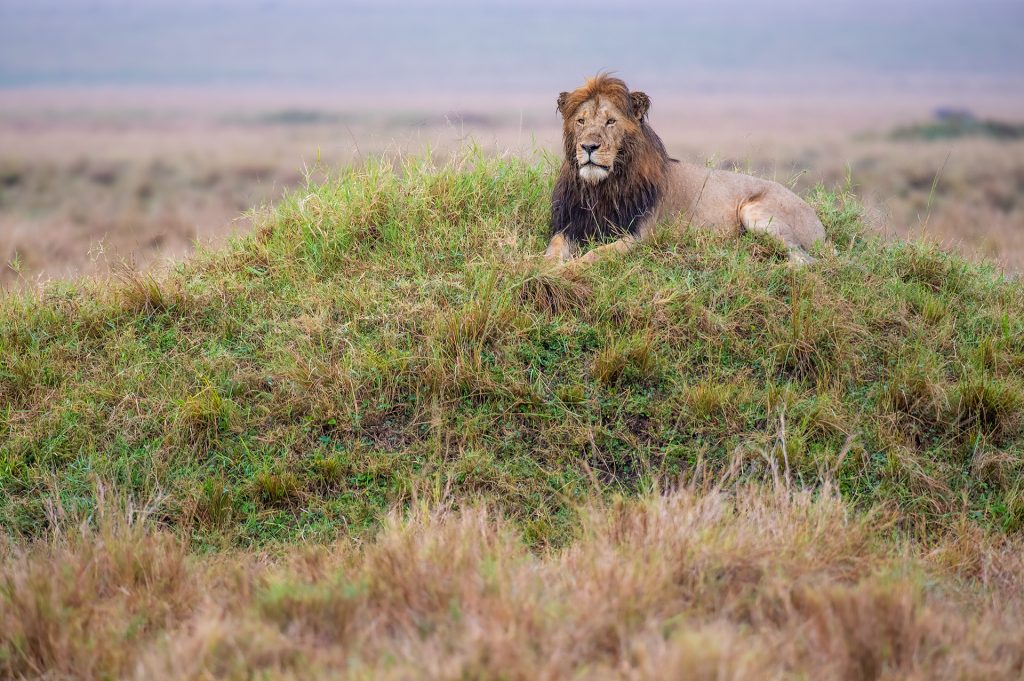
The Masai Mara is also known for its amazing wildlife, especially during the Great Migration when thousands of wildebeests, zebras and gazelle cross the Mara River. The reserve is famous for its high concentration of big cats, particularly lions, leopards and cheetah making it a hotspot for wildlife photographers and enthusiasts. While the Mara shares many species with the Serengeti, it is often regarded as having a slightly more diverse range of habitats, which can support different species. The presence of the river attracts many animals, providing essential water sources and rich feeding grounds.
Cultural Differences
The Serengeti is not only significant for its wildlife but also for its cultural heritage. The area is home to the Maasai people, who have coexisted with wildlife for centuries. The Maasai are semi-nomadic pastoralists known for their vibrant culture and traditions. The Maasai’s relationship with the Serengeti is one of stewardship and conservation, as they have traditionally practiced sustainable grazing methods. However, increased tourism and development pose challenges to their way of life.
The Masai Mara also has a rich cultural heritage, predominantly influenced by the Maasai people. The reserve is located in Maasai territory, and the community plays an integral role in conservation efforts. The Maasai are known for their distinctive dress, customs, and traditions, which attract tourists and contribute to the local economy.
Cultural interactions, such as village visits and cultural performances, allow visitors to learn about the Maasai way of life. These experiences foster greater appreciation for the local culture and promote responsible tourism.
Conservation
The Serengeti is a UNESCO World Heritage Site and is recognized for its ecological significance. Conservation efforts in the Serengeti focus on protecting wildlife habitats, maintaining the balance between wildlife and human activities, and addressing poaching and illegal wildlife trade. Various organizations and the Tanzanian government work collaboratively to monitor animal populations, conduct research, and promote sustainable tourism practices. The Serengeti’s vast size allows for significant conservation initiatives, but challenges such as human-wildlife conflict and habitat loss remain.
The Masai Mara faces similar conservation challenges, including poaching, habitat loss, and the impacts of tourism. The Kenyan government, in partnership with local communities and conservation organizations, works to protect the reserve and its wildlife. Community-based conservation initiatives are prominent in the Masai Mara, empowering local communities to participate in conservation efforts. Programs that promote sustainable land use and wildlife tourism help mitigate the negative impacts of human activities.
Tourism
Tourism in the Serengeti is a major economic driver for Tanzania. The park attracts a significant number of visitors, especially during the migration season. Accommodation options range from luxury lodges to budget camps, catering to various preferences. Guided safaris, hot air balloon rides, and walking safaris are popular activities, allowing visitors to experience the park’s wildlife and landscapes intimately. The Serengeti’s size and diversity mean that visitors can explore different areas, each offering unique wildlife viewing opportunities.

The Masai Mara is a premier safari destination in Kenya, known for its accessibility and rich wildlife. The reserve draws a large number of tourists, particularly during the migration season when dramatic river crossings occur. The Masai Mara offers a range of accommodations, from upscale lodges to tented camps, many of which provide immersive wildlife experiences. Cultural interactions with the Maasai and opportunities for guided safaris enhance the overall experience for visitors.
Round up
While the Serengeti and Masai Mara are closely linked in terms of ecology and the Great Migration, they each offer distinct experiences shaped by their geography, wildlife, cultural significance, and conservation efforts. The Serengeti is characterized by its vast expanses and diverse habitats, while the Masai Mara boasts rich cultural interactions and dramatic river crossings.
Both destinations play a crucial role in wildlife conservation and provide opportunities for sustainable tourism. Understanding their differences enhances the appreciation of these remarkable ecosystems and underscores the importance of preserving them for future generations. Whether exploring the Serengeti’s wide-open plains or witnessing the Maasai Mara’s river crossings, visitors are sure to leave with unforgettable memories of East Africa’s natural wonders.