A lot of people that fall in love with safaris and viewing wildlife will eventually invest in expensive camera gear. As there will be many opportunities to view wildlife, it is worth getting a camera where you may capture “that shot” or at least have some spectacular memories. For the average person that may only do safari as a once-off holiday, their cellphone may be all they have. Now a decade ago, if you said that you only had your cellphone for pictures, you were laughed at, but these days, the cameras are so good on the phones that decent pictures and videos can be taken.
The All Originals
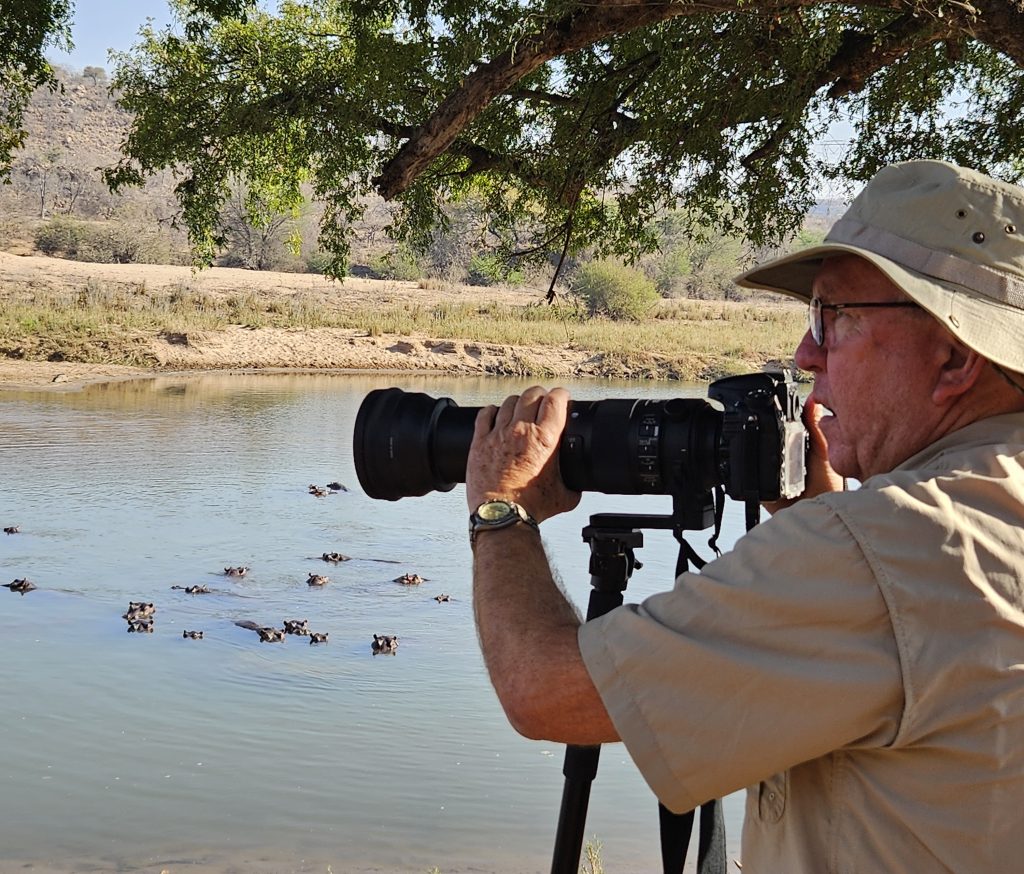
Although cellphone cameras are the topic here, we are not trying to convince anyone that they are better than an all-original Canon or Nikon with a beautiful 70-200mm lens. These are still the preferred cameras for wildlife enthusiasts and guides alike; they always will be. The camera phone just makes things a lot more simpler, especially for people that are looking for quick, good snaps that they can share with family or social media quickly. They are a lot smaller than a large camera and lens and also work out to be a lot cheaper.
Getting close
One of the disadvantages of only having a cellphone camera is the fact that you generally need to be very close to your subject to manage a decent photograph. In the private reserves, this is way easier, as off-roading and the habituated animals make this easy. In National Parks, this is not as easy because the animal is far off of the road.
The more you are able to fill your camera frame without zooming in on your subject at first, the better. Obviously this is not always possible, as no one wants to have to try and decipher what they took a picture of later on. It is good to remember though that as you zoom in more with your camera, the more quality you will lose as it is a digital zoom. For these zooming in situations, it can even be better to take the picture without having zoomed in and rather to edit and crop the photo later on.
Lenses and ideas
As the cellphone cameras are becoming more popular, companies have started to come up with lenses for them. Some of these lenses simply clip on to the phone, and you merely place them in front of the camera lens. These seem to work really well, and the pictures do not lose any quality. Definitely something worth investing in if you want to get some great shots.
Another sneaky trick that guides will often show their guests is to use your binoculars to help “zoom in” on the animals. This sounds silly, but with practice, people are getting really good at it. All you have to do is place the camera lens up against the eyepiece of the binoculars. You may have to move it around to get it to line up, but once so, you will have a great telescopic view. The only small catch is that you pick up the black circular ring from the binoculars eyepiece, but this can be edited out later on. This is also a great way to help with the identification of birds.
Video
Photographs are obviously amazing, but a great video clip can sometimes be way better to show people, especially if there is some great audio to go along with it. Capturing two male lions roaring together, or the thrill of a hunt, or the sound of ivory as two young elephant bulls clatter one another as they play, is all special. Cellphone cameras record in high resolution now, and so video can often be better than still. A good idea is to get one person to record while others take pictures. Most of the big cameras now also have a better video function, but this can eat up their memory very quickly with the high definition.

Safety and selfies
One thing that we quickly started seeing as guides was how silly people could be when trying to get a “selfie” with an animal in the background. At first, phones didn’t have camera lenses on both sides of the phone, and so the selfie was not an easy picture to get. Now that there are numerous lenses on the cellphones, it makes life a lot easier as people can see themselves. The problem still remains that people will try and lean out closer to an animal, almost forgetting the dangers of the animals as they are now on the other side of the person. You are then presenting your back to an animal, arm high up in the air—just not a good idea.
As cellphone cameras don’t have the range of the larger zoom lenses, guides are now pushed to get closer to the animals for a picture. This can also cause issues as guides are getting far closer than what they feel comfortable doing and often end up pushing the animals away. It is important to remember if you want those “Nat Geo shots,” then you will still need to save up and buy that expensive camera gear like the professionals do.
Social media
This is the name of the game for a lot of people today, whether it be for marketing or personal use. People love social media today: Facebook, TikTok, and Instagram. Each of these has their preferred photographic or video types, so it is good to be aware of which you would like to use. While doing this, it is good to remember that a lot of places will ask you to remove geotagging from pictures. Also not make to upload immediate posts of animals that are under threat of poaching, rhinos and pangolins, for example.
Fun for Guides

Phones were not the favourite of most guides a few years ago, but that too now has changed. It gives guides the opportunity to get quick pictures or videos themselves, often sharing them with guests later on. It also helps with free marketing for lodges and companies, as many people watch and follow the guides.
With the wide angle abilities on the cellphone cameras, it is also allowing us to get pictures that weren’t easy to capture. Getting a whole family of guests in one picture, or even yourself and your guests, has become a lot easier to manage, and people really enjoy that. It almost gives people a sense and feeling that they have their own personal photographer on the vehicle. Fun for the guides and guests alike as they try and capture themselves with safer “selfies.”.