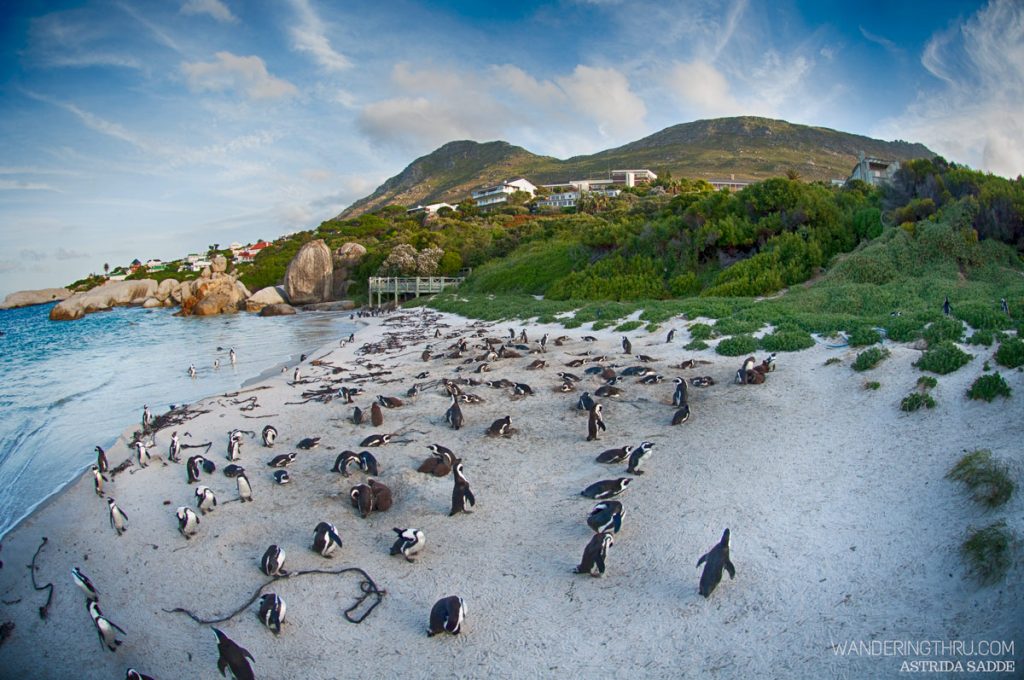
When planning a trip to South Africa, Cape Town is often at the top of the list—and for good reason. Surrounded by stunning mountains and the Atlantic Ocean, the city offers incredible attractions such as Table Mountain, the Winelands, and just outside the city, Boulder Beach, home to the famous African penguin colony. Visitors flock here to observe these charming little birds, and if lucky, may even swim near them at the beach.
However, Boulder Beach is not the only colony. Smaller colonies exist at Dassen Island, Robben Island north of Cape Town, and Betty’s Bay and Dyer Island to the south. Less well-known are colonies further east on Bird Island and St. Croix Island, between Port Alfred and Gqeberha. Despite their popularity, African penguins face severe threats due to declining fish stocks, putting their populations at risk. Let’s explore their adaptations, challenges, and the conservation efforts helping these birds survive.
How African Penguins Hunt
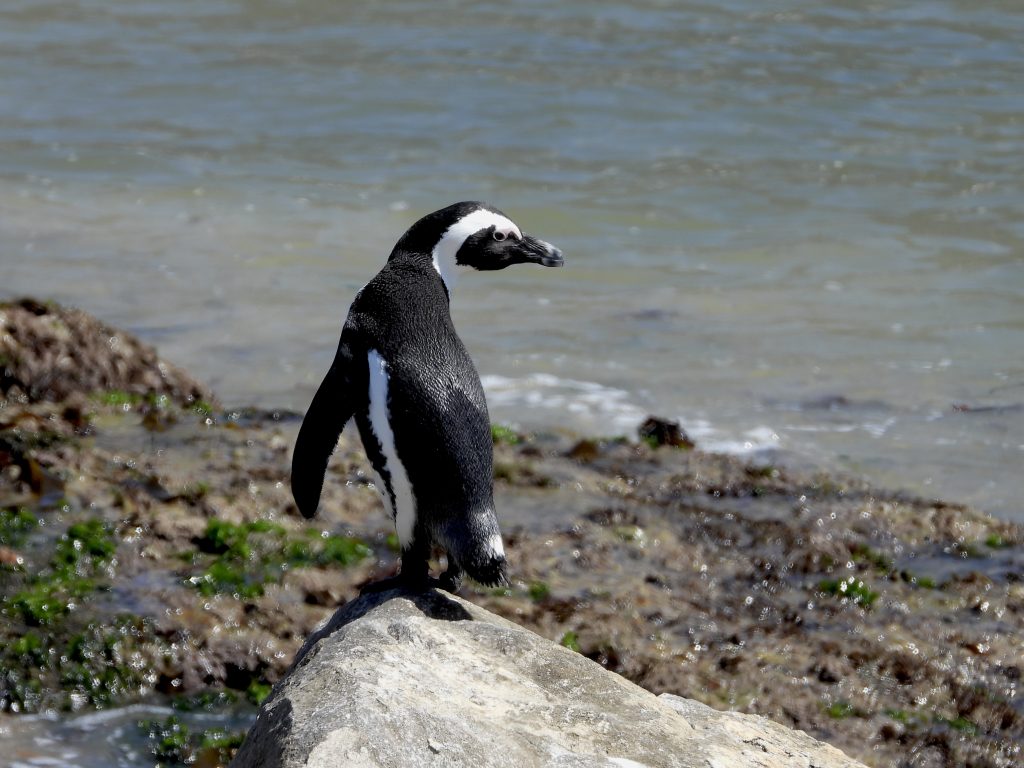
African penguins are remarkable fish hunters, uniquely adapted to life in the water. Unlike flying birds with hollow bones, penguins have solid, heavier bones, which improve buoyancy. Their nostrils have evolved to prevent water intake during dives, allowing them to breathe through the corners of their mouths.
Their third transparent eyelid gives them exceptional underwater vision, while their barbed tongues help grasp slippery fish. Penguins can dive for up to 20 minutes and usually reach depths of 10–30 meters, with some records of dives reaching 120 meters. These adaptations make them highly efficient predators of sardines and anchovies.
The Decline in Numbers
Once the most common coastal seabird along South Africa and Namibia, African penguin populations have crashed over the past few decades, pushing them onto the critically endangered list. They are now the first of the world’s eighteen penguin species to reach this dire status.
The main threat is a shortage of food. Overfishing of sardines and anchovies, combined with historical declines in prey in Namibia during the 1960s and 70s, has severely affected populations. South Africa’s penguin numbers have also dropped dramatically over the last twenty years, despite early warnings raised in the 1970s.
Flightless but Adapted
Penguins cannot fly, but underwater, their wings act like flippers, giving the appearance of flying. Their webbed feet aid in paddling, though their limited mobility restricts their range, especially for breeding birds tending to eggs or chicks.
Before moulting, penguins must fatten up to survive the process, which lasts around three weeks. During moulting, they remain on land, vulnerable and unable to hunt, often losing nearly half of their body condition.
Conservation Studies and Marine Protection
To protect African penguins, the Department of Environmental Affairs and Tourism in South Africa launched studies to better understand their needs. They created zoned no-fishing areas around key colonies, allowing penguins access to uninterrupted feeding grounds. These six main colonies were monitored over six years, revealing a positive impact on penguin numbers.
Following these results, additional zones were established around smaller colonies. Ongoing research now focuses on the life history of penguins, such as breeding ages and colony dynamics, to guide the expansion of protection measures to the remaining nine smaller colonies
The Role of Tourism
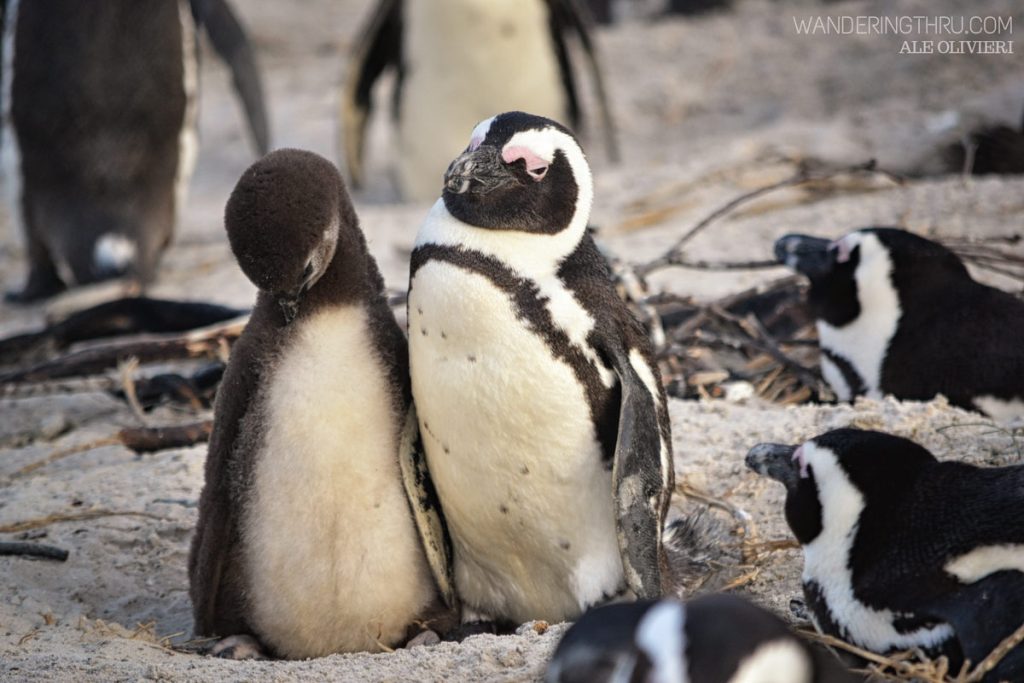
Tourism continues to play a crucial role in African penguin conservation. Visitors to colonies in and around Cape Town generate interest, awareness, and funding to support protection efforts. Protecting penguins remains a challenge due to competition for fish in heavily exploited waters, but the growth in penguin populations offers hope. With continued conservation and public support, it’s possible that African penguins will avoid extinction and thrive well beyond 203