National parks and private reserves in Africa each play crucial roles in conservation and tourism, but they differ significantly in terms of management, access, and conservation goals. We are often asked which we prefer as both have their own pros and cons depending on what point of view you are looking at them from. We’re going to have look at some of the differences between the two, helping explaining better to how they work and what you can expect from either of them.
Ownership of land
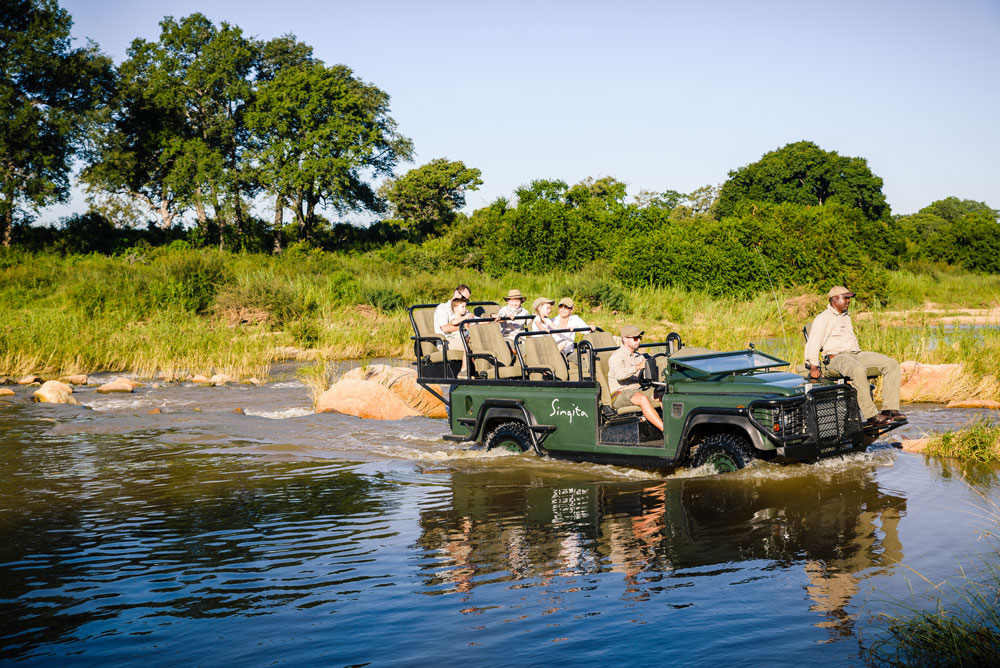
As soon as a park has National Park behind the name, you can be assured that the area is owned by and run by the government. Private reserves on the other hand, will be owned by private individuals,families or businesses. These private reserve are often broken up into numerous privately owned farm within the reserve itself.
When it comes to the management of the area, the National Parks are managed according to national conservation laws and policies. Often under the oversight of a national parks authority or similar governmental body. With the private reserves, it is a little different. It is managed according to the objectives and policies of the private owner, which can include more flexible or specialized approaches to conservation and tourism.
Conservation
National Parks are often far more focused on broader conservation goals, including protecting ecosystems, wildlife, and heritage sites. They may also prioritize scientific research and education. Regulations within the park will be governed by strict national regulations that apply uniformly across all parks. Under no circumstances can they be changed or broken or there may be a large fine given to the person.
In the Private Reserve, they can have more specific or innovative conservation strategies, often tailored to the needs of the land and its wildlife. They may also focus on sustainable land management and community benefits. They can also be far more flexible with regard to their regulations and management practices as well. This allows for more tailored approaches to conservation and tourism.
Visiting these areas
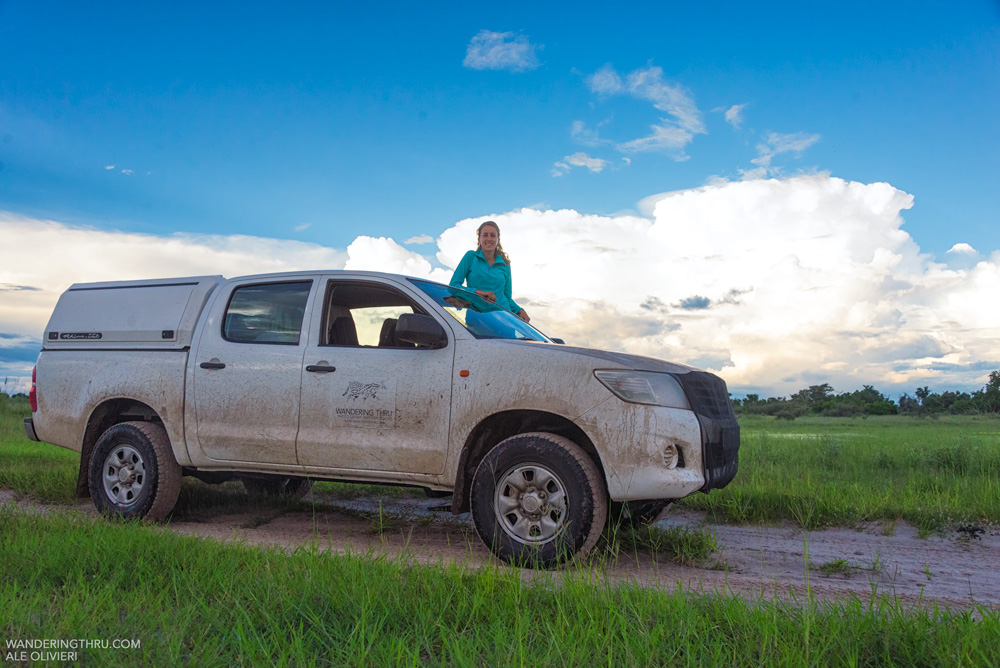
With the National Parks, they will generally be open to the general public. These means people can arrive at one of the access points, pay a daily rate and spend the day driving around the park. Some will have the option for game drives and walks, especially if the person is spending the night in the park. National Park camps, are built up with standardized facilities, allowing to cater for large groups of people. There will often be chalet and campsites available for people to book and stay in.
Private reserves on the other hand will have very limited access to the area. If you are not staying at a lodge or camp, you will be denied access into the area. For this reason, this is where the private reserve offers more exclusivity with a higher end experiences being far more personalized. As access is limited it means for a lot less vehicle traffic and you will often get the opportunity to view animals as the only vehicle or few others.
Funds
National Parks are funded through government budgets, though they may also receive revenue from park fees, donations, and international aid in some cases. Unfortunately because of this, resources can be constrained by government budget allocations and may face challenges related to political influence. This means, that if a government is struggling, unfortunately the Nationals Parks will be one of the first areas to bear the brunt of this.
Private reserves seem to have it a little easier on this front although it can cost landowners more. Funds also come through private investments, tourism revenue, and sometimes partnerships with conservation organizations. Things can therefore be more flexible in terms of spending and resource allocation, often allowing for more innovative conservation projects.
Community involvement
Within both of these areas, most of the staff working in the reserve or the park will be people from the local communities. This has a massive impact on them as it brings revenue it to the villages and towns surrounding these protected areas. National Parks may have programs to involve local communities in conservation efforts, though the level of involvement can vary widely. Community benefits might be less direct and more regulated through government initiatives.
From the Private reserves with the higher tourism revenue, there are often Community Projects set up where people can get involved and contribute to the local people. Lodges and camps often work closely with local communities to ensure that conservation efforts also provide direct benefits, such as employment, education, and infrastructure development. Community involvement is often a core part of the reserve’s operational model, leading to stronger partnerships and local support.
Conservation
Both areas have important roles to play in conservation. National Parks can have significant impacts due to their size and the enforcement of national conservation policies. They play a crucial role in protecting large landscapes and migratory corridors.
Can be highly effective in conservation due to their ability to implement targeted strategies and manage resources efficiently. They often complement national parks by protecting additional areas or corridors, often sharing a boundary with a larger National Park.
Game viewing
Game viewing can be tricky in the National Park as there are more rules than in the Private reserves. This has to be as often people drive themselves around the park. In the Private reserves you will be with an experienced lodge guide. No one is allowed to leave the roads and there are very strict times as to gate and camp closing times. Private reserves are allowed to off-road in certain areas to get closer to the animals. People drive much larger distances as roads are well maintained and can take all vehicle types in the parks, where in reserves, a shorter distance is covered and smaller dirt tracks.
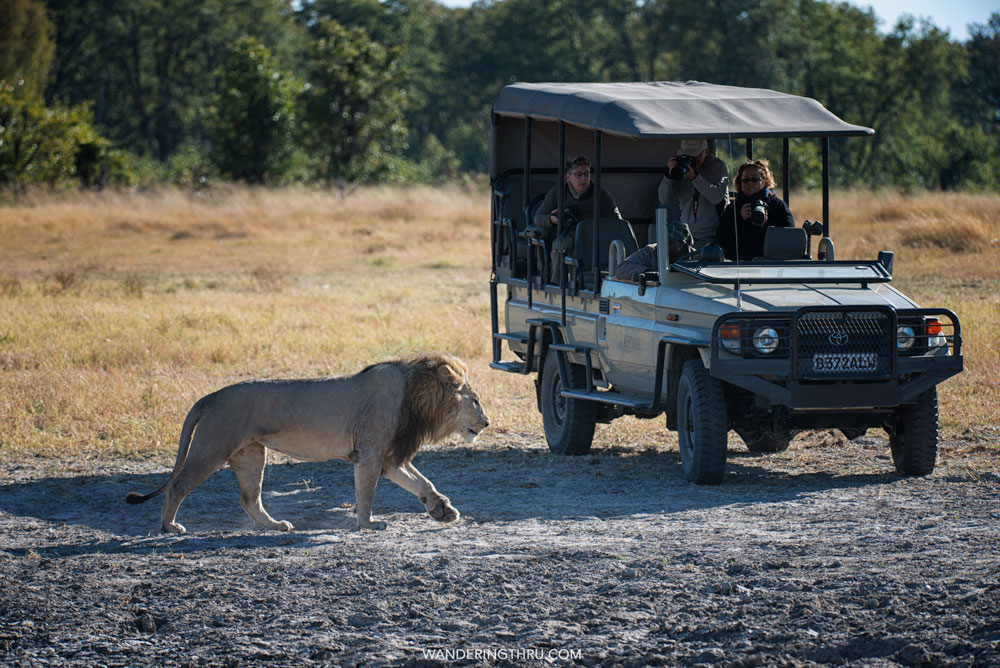
Having an experienced ranger and tracker team at the Private reserves can help with increasing your chance of seeing more animals in a shorter amount of time. As with wildlife thought, anything can happen and you may have the same luck driving yourself around a National Park. Photographic wise, Private will always have an advantage as you can get closer to the animals, have less competition and vehicle stress.
Conclusion
Both areas are incredibly important to conserving our natural areas. Although they may seem to sound very different, at the end of the day, they have very similar means, to protect our wildlife and allow people to view them in a safe and natural environment.