The Mababe Depression is a “newish” game viewing area that has taken off in a big way over the last few years. Found to the east of the Khwai and Moremi concessions and the south of Chobe, this once grassland is changing into a prominent marsh. With earthquakes and tectonic movements in the last few decades, an area that was once dry has now got the Khwai River flowing into it, causing a massive marsh that holds water even in the drier times.
This in turn attracts large amounts of buffalo and elephants in the peak of the dry time and so pulls in large amounts of lion and hyena. As some of these large prey species are weak, having traveled large distances between water and food, lions have taken advantage of this. Buffalo and elephant are falling prey to some of the large prides that frequent the area.
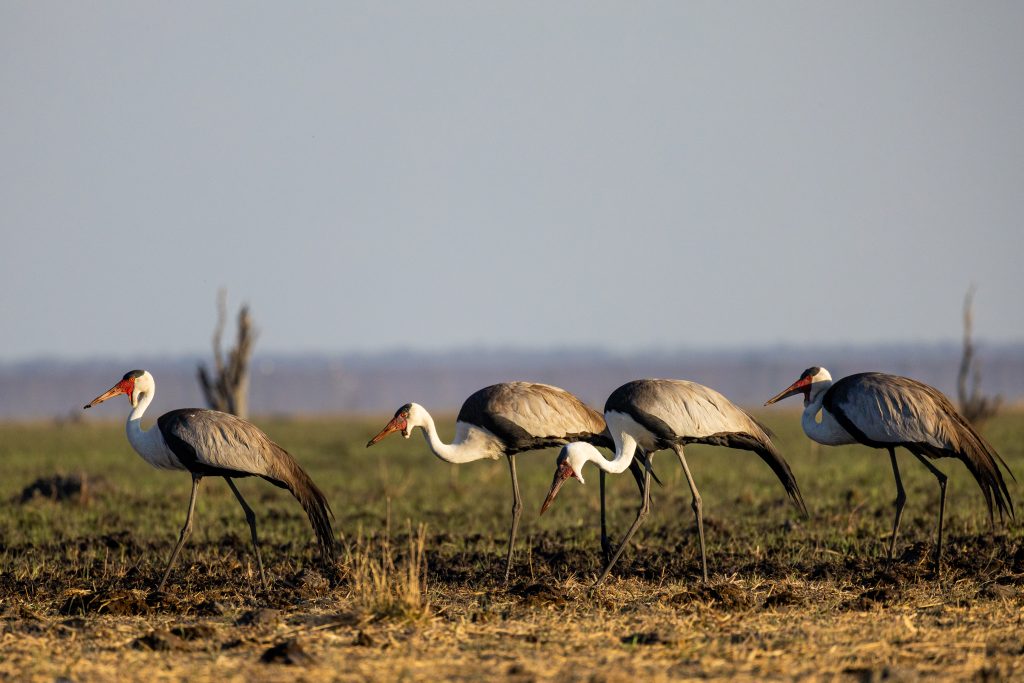
This is not all the area has to offer though, as along with the amazing big game sightings, there is an array of other life. Being on the edge of the Kalahari and bushveld, there is a good mix of smaller game that are usually not found together. Things like bat-eared foxes, yellow mongoose, aardvark and aardwolf are to be found on the dry grasslands, while serval, otter and water mongoose can be found along the marsh. Birding is the area is also exceptionally as there are so many different habitats to cover with the concession.
People unfortunately get the wrong impression about the area though, through posts on social media and so we thought we would get a bit of insight from someone that knows the area. Aspiring film maker and young wildlife videographer, Tristan Cary, has been doing work in the area for almost a year now. Tristan was kind enough to answer some questions for us, as what to expect and how he enjoys the area.
How and when did you first hear about the concession?
“In mid 2023, I started seeing social media posts and subtle tags mentioning this Mababe Depression. I didn’t know much about it and didn’t know what to expect at all. In my mind I’d painted a picture that it may be similar to Moremi or Khwai. I was very much mistaken. Last year I was fortunate to travel up to the area with my now boss and friend Russell McLaughlin, a well known wildlife film maker.
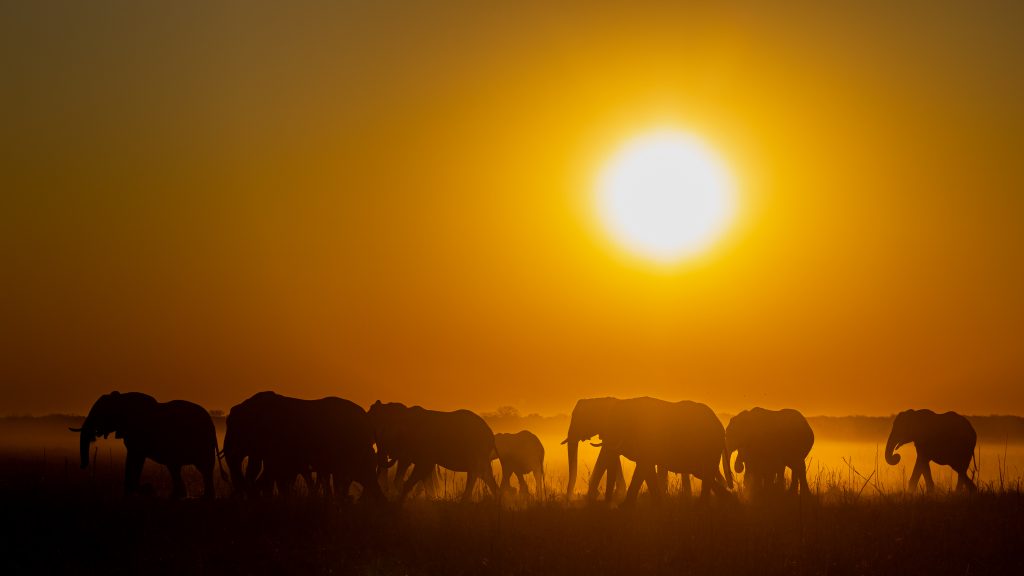
My mind was blown as we first drove onto the concession, catching it perfectly as the sun was setting over the marsh. The sun dropped over the cheer vastness of the grasslands that had one or two dead trees dotted in the landscape. The outskirts of the marsh were bordered with Mopane woodland. There is nothing obscuring your view of the sunset in this flat environment and it feels like the sun sets forever, much like it feels at the ocean.
I remember we drove through a herd of elephants, one of many herds that were making their way down to the marsh for one last drink before disappearing back in the mopanes. It was just the start and a small eye opener to this unreal world I was going to get the opportunity to explore.”
Game viewing is different year round, what is your experience with the different seasons?
“If you want high intensity game viewing, as with the rest of Botswana, winter time into spring is the most productive. This would be the months of June to October. The closer you get to October the better, as this is when animals are pulled to the marsh for water. Once the rains come, things can become a little more difficult and animals tend to move away from the marsh. It would be unfair to try and compare the summer months to the winter months and if you decide to travel then, you need to know you will be experiencing a different type of safari.

A lot of the marsh is made up of black cotton clay and this can make traveling around in the rains very difficult. Many areas are inaccessible, but it is beautiful and the birding is far better than winter. In winter, you cannot only expect to see the herds of elephants and buffalo, but the more rare antelope species like Roan and Sable antelope also come out of the Mopane thickets to visit the marsh. With the shorter grasses it is also easier to see the smaller game that disappear in the tall green grass. On personal experience, I’d suggest planning a trip here in the winter and spring months.”
What is the predator activity and viewing like in the area?
“I’ve been fortunate enough to be in areas where lion viewing has been good before, but never have I witnessed anything like this before. I have never seen a density of lion and amazing lion sightings like in the depression. It just means the quality and quantity of sightings are next level. Along with the large prides of lions, are also large clans of spotted hyena and there is a large den that is active year round. The hyena here do a lot of their own hunting as well.
Wild dog and cheetah sightings here are also really good and we have a few individual cheetah that move through the area and at least two separate packs of wild dogs. We were lucky enough that one of the packs denned in the area and we got to watch them raise the pups. Leopards are present, but viewing can be a little tricky as they very seldom venture out into the marsh, sticking top the Mopane thickets.

As the marsh is so open and this is where the herds of herbivores move, we do get to witness and see a fair amount of hunts. In most areas you may loose a hunting lion or chasing wild dogs, where here you can keep eyes on the running animals.”
What are your thoughts and experiences at the underground hide?
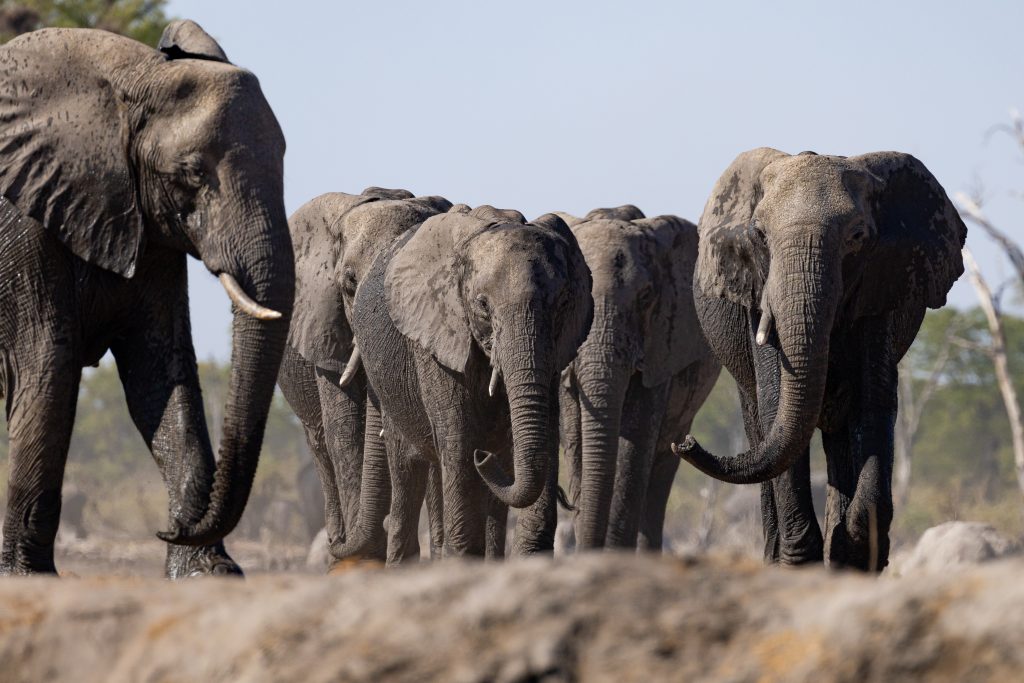
“I myself, really enjoy the hide. I have always enjoyed sunken hides as it gives you the opportunity to get pictures of animals of animals that you would never get from the vehicle. When I first arrived the hide was still new and so the game viewing from it wasn’t the best as animals had to get used to it. It is well situated though, around one of the deeper drinking pools. It didn’t take long for the elephants and birds to get used to it and they completely ignore it now.
The sunsets from the hide are also spectacular and it is a great place to catch elephants in the evening golden light. I myself have not seen any predators from the hide, but some guests have been fortunate enough to see lions there. Their tracks often go past though and I believe it is only a matter of time until people start to get better sightings of them there as well.”
We have seen you are a good photographer in your own right, what would you suggest people use in the area?
“Personally for me, this is everyone’s preference and in this area you can’t really go wrong with anything, it just depends on what you would like to capture. Fortunately as it is so open in the area, you don’t have to worry about too many obstructions. I would suggest at least one wide angle to try and capture the landscape as it is certainly worth it.
I would suggest having a couple of long lenses though as some of the viewing can be at a distance as you don’t want to interfere with a hunt for example. These lenses also help with the smaller game and the birding. A fast lens will also help you capture any of the crazy activity that people hope to see here. I wouldn’t go with less than a 400 or 600mm if possible, but you could get away with a 100-400mm lens.”

Hopefully this extra information from Tristan will help people understand what to expect when visiting the Mababe Depression and the beautiful Wilderness lodge, Mokete, with talks of a second in place. The lodge itself is well situated on the edge of the marsh. It gives you great accessibility to all parts of the concession and is most certainly worth the visit. If you visit at the right time of the year, you can prepare yourself for one of the most intense safaris out there. Definitely one for the bucket list!
All pictures courtesy of Tristan Cary.