The Klaserie Private Nature Reserve is one of the reserves found in the north-eastern parts of South Africa. It is not as famous as some of the other reserves like Sabi Sands, Thornybush, and Timbavati, but it is most certainly catching up with them very quickly. Like these other reserves, Klaserie is also open to the Greater Kruger National Park and so experiences the same flow of large animals. The Klaserie was long known as a hunting reserve, but has turned around in the previous decades and is starting to compete on a commercial scale with some of its neighbours.
History
In 1969, independent farm owners in the area decided to unite and create a 60 000-hectare reserve. It was back then that the idea of conservation had started, and so fences between these farms were removed for the free flow of animals within the reserve. This worked well for more than 20 years, but again, as our understanding of the environment grew, so did the need to expand the area. People of the Klaserie knew that they needed to drop the fences to the east (Kruger) and the west (Balule Nature Reserve). This would contribute to the natural flow of animals, and old migratory routes could start to fall into place again.

In 1993, this became a reality, and the eastern fence line between Klaserie and Kruger was removed. This was a huge event, and it attracted national and even international coverage. In 2005, the fence to the west and the Balule Nature Reserve were also brought down. This is all part of the global movement to restore natural habitats, and Klaserie was a part of that now. Throughout Southern Africa and the rest of Africa, these merging boundaries are creating passages for animals and rebuilding lost habitats that are so important to the health and survival of the natural system as we know it.
The Klaserie River
The name of the reserve comes from the main river that runs through it, the Klaserie River. The river itself enters the reserve on its southern boundary and meanders slowly northwards, almost reaching the north. It cuts east just before though and flows out of the northeastern corner of the reserve. Just after it leaves the reserve, the Klaserie flows into the Olifants River, which is one of the larger river systems that flows through Kruger National Park. From here, the Olifants River flows eastwards all the way through the park, into Mozambique, and eventually finds its way into the Indian Ocean.
The source of the river comes from the northern part of the Drakensberg mountain range. The mountains can be seen to the west of the reserve, and the river comes from the water that gathers there from low clouds and also rain. Running down the escarpment, the river grows in size as it reaches the lower laying areas, flowing through part of Kapama Game Reserve and finally into the Klaserie Nature Reserve. The river generally flows throughout the year, but in times of drought it has been known to dry up. As most of its banks are incredibly high, it is not known for flooding, but floods have occurred in exceptional circumstances, like in 2012.

Habitats and animals
With the Klaserie river flowing the length of the reserve, the Klaserie manages to boast different riverine habitats. From dense thickets down in the south, reedbeds along its course, and then sheer rock faces in the north. As it flows all year round, it is an important source of water in the drier times of the year, and animals are pulled to it from all over for food and water.
In the southern and western parts of the reserve, there are a few large open clearings, and large herds of zebra and wildebeest can be found here. This is also where the best chances of seeing cheetah in the reserve are. Most of the south is made up of undulating slopes and combretum thickets, giving you the feel of the Sabi Sands. As you push a little further east though, Mopane thickets take over and you get more of a Timbavati feel.
As you push further north though, the terrain starts to change. From gentle undulating slopes to hills and large rocky outcrops. Large quartz and granite outcrops can be found, supporting different antelope species like Sharpe’s grysbok and klipspringer. Rock hyrax are also to be found on some of the outcrops, not something you often see in the private reserves. Raw tigers eye and shards of mica mineral can be found, and so the area geology is very different and unique.

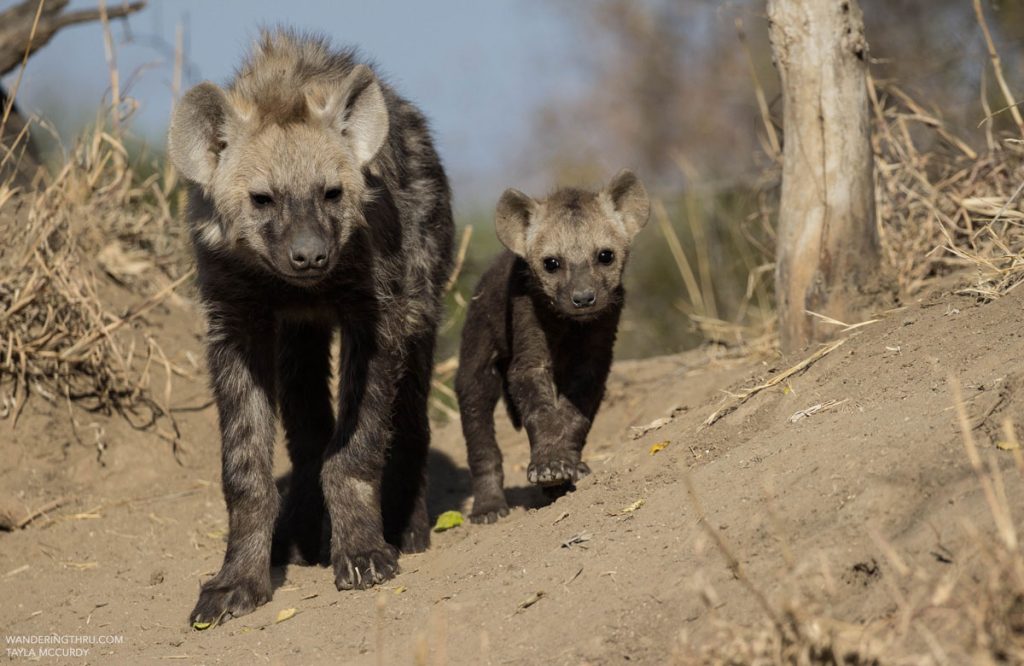
Besides the different animals that have been mentioned, the usual suspects are also to be found in the reserve. Large herds of elephants and buffalo frequent the area. Giraffe, kudu, and the ever-prosperous impala thrive in the great browsing areas. Along with all of the general game, the predators do exceptionally well too. Large prides of lions, leopards, spotted hyenas, and wild dogs all do well here. There are some huge hyena dens, and the three different packs of wild dogs move through the reserve, all three denning on the reserve this year.
Accommodation
When the Klaserie first went commercial, there were some small camps that set themselves up. Some self-catering camps and camps that offered people walking trails were the first to start up. These camps are still around, but as the tourism in the reserve has grown, so too have the lodges.
You can now find these “simple’ camps, but along with them, an array of camps, from 3-star to ultra-luxurious 5-star camps, have started to show themselves. There are now 16 commercial camps in the reserve, which sounds like a lot, but is still minimal if you compare it to some of the other private reserves. Some of the lodges have thought outside the box and have gone a different route. Ximuvu Lodge down in the south, for example, has kitted their lodge out to be completely wheelchair friendly. Kateka has gone the way of being a wellness lodge, so you can utilise their spa, gym, and yoga experiences.
Community Project
Eco Children was an initiative started in 2004 to entertain and educate children whose parents worked within the reserve. Children could be dropped off during the school holidays, and they would be looked after, fed, and taught. Since then the organisation has grown massively, and not only lodge staff benefit from it, but children from many different communities as well. The main focus, as the name suggests, is mainly children, and so the organisation focusses mainly on building schools and making sure that young children that weren’t able to get an education now do so.
Along with educating the children, young adults are also taught to become educators themselves, and the schools that are now built are filled with teachers that also come from the project itself.
Conclusion
The Klaserie Private Nature Reserve is on the rise, not only from a commercial aspect but from many different areas. It is definitely an area that should be considered when planning another trip to South Africa, as it is a unique and special area that hasn’t been explored by many just yet.