Today marks World Lion Day, a celebration of one of the most globally recognized animals, not just in Africa. Lions, beloved by millions worldwide, are ingrained in our early experiences through storybooks, TV, and movies.
Often hailed as the “King of the Jungle,” lions might seem invulnerable, but sadly, they face significant threats. Their range has shrunk due to expanding human populations, leading to dwindling natural prey and conflicts with livestock. This forces lions to target livestock, which clashes with local farmers, resulting in retaliation.
Yet, conservation organizations and responsible tourism have fostered positive changes. Tourism generates income for local communities, helping them recognize its value in preserving wildlife habitats.
As lions remain a top draw for African trips, let’s delve into common questions and answers about these magnificent creatures.
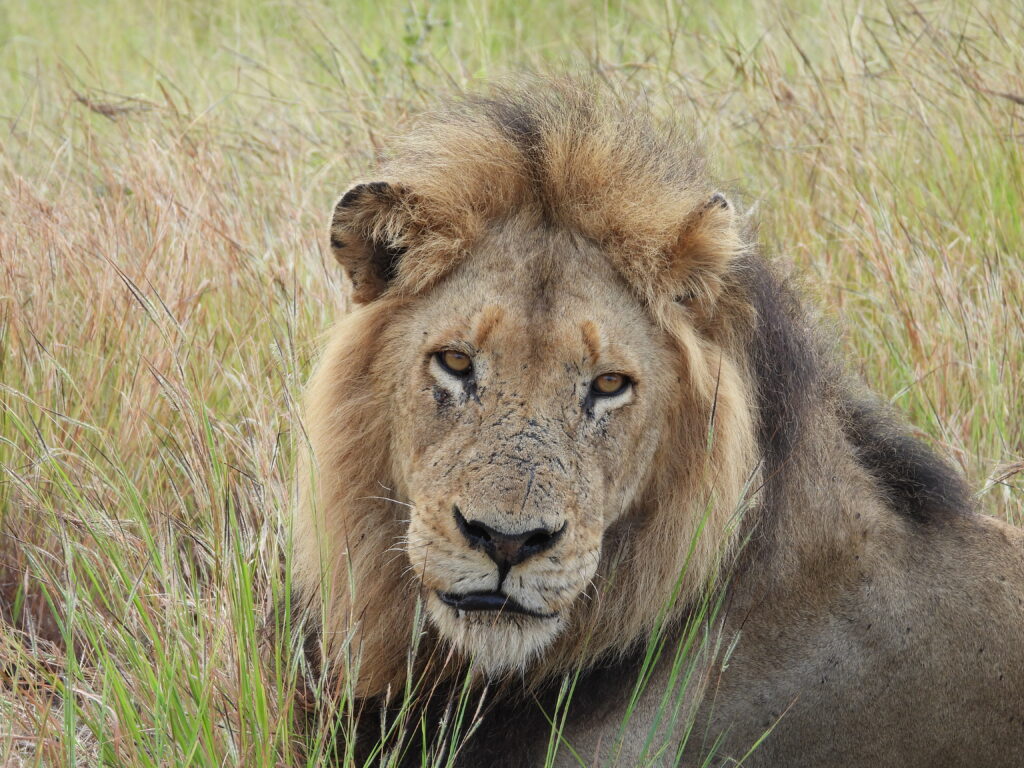
Why do male lions have manes?
Male lions boast their iconic manes for two primary reasons. Firstly, the mane serves as a protective helmet for the vulnerable head and neck regions. The growth starts young as tufts on the head and neck, fully developing around 5-6 years, coinciding with their readiness to lead a pride. The mane’s condition indicates health; a sparse mane suggests poor health or malnourishment.
Secondly, the mane’s darkness reflects testosterone levels. A darker mane signifies higher testosterone, a trait lionesses prefer. Although they may mate with blond-maned males, lionesses often lean towards darker-mane males in coalitions. Dominant males might even experience darkening due to endorphins released during mating.
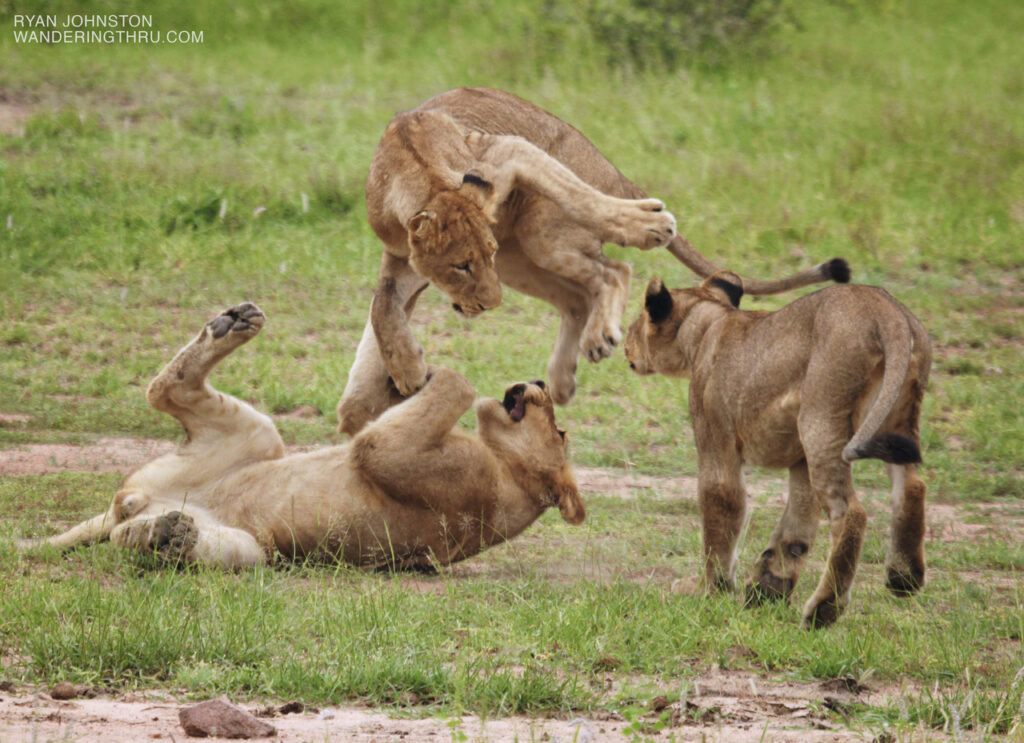
What is the difference between a pride and a coalition of lions?
The term “pride” designates a lioness family that cooperates to defend territory. Within a pride, females are related, and unrelated lionesses rarely integrate. If a pride isn’t overly large, lionesses remain in their birth prides; for bigger groups, sisters might form separate prides, ensuring longevity.
A “coalition” forms when males, whether siblings, cousins, or even unrelated, unite to vie for lioness prides and territory control. Coalition size determines the number of prides and territory extent. A solitary male or pair may oversee one pride within a specific territory, while a larger coalition of 3-6 males could manage 3-4 prides, spanning a greater territory.
In a related coalition, less competition for breeding occurs due to shared genes. For unrelated coalitions, fierce battles can ensue as males vie to pass on their genes through lioness breeding. Coalition members protect each other’s cubs regardless, and some males prove more patient fathers than others, contributing to cub safety and care.

How many cubs can a lioness have in a litter?
The gestation period for a lioness is only 110 days. Only 10% of cubs actually make it to adulthood. Cubs will often be killed by other lions, hyenas, or starving if the pride is struggling to hunt successfully. Animals with a lower success rate with their youngsters generally have larger litters and shorter gestation periods. That way, if anything happens to a single youngster, there are replacements. Or if something happens to the whole litter, a lioness can come back into oestrus relatively quickly and have another litter soon after.
A lioness will generally have 1-4 cubs at a time, with the average being 2-3 cubs. There are cases where lionesses can have as many as six cubs. Cubs will be born in a well-hidden den chosen by their mother before birth. They are born very underdeveloped after the short gestation period. They will be introduced to the pride when they are between 8 and 10 weeks of age. Mom will generally introduce them to the pride around a large kill when all members of the pride are well fed and content. Once introduced into the pride, cubs can suckle from any lioness that is lactating,not only mom. This is one huge plus of being born into a family of related females. If cubs do survive, a lioness will breed again when they are about two years old.

How much do lions need to eat?
We are all taught as children that the male lion eats first, then the lionesses, and then the cubs. The simple reason for this is that the biggest lions eat first as they dominate the carcass. When there is food on the table with lions, it is a feeding frenzy, and everyone piles in, eating as much as they can as fast as they can. That’s why if a pride is struggling for food, it will be the cubs that suffer first.
On average, a male lion needs about 15 kilogrammes (30 pounds) and a lioness needs about 8 kilogrammes (17 pounds) of meat a day. This is not to say that they will not take more than this, as a lion can eat 15% of their own body mass in a single sitting. If they make a fresh kill on empty stomachs, a male lion can eat just over 30 kilogrammes (62 pounds) in the initial feed! If they feed on a large carcass like a buffalo or giraffe, they will stay there until they finish the carcass, even if it takes a number of days.
After such a large feed, they can go a few days without feeding again. In theory, lions can go just over two weeks without food. This helps if they have an injury or are ill and need time to recover. Like all predators, lions take food whenever they can and will sometimes have more than one kill at a time. As a predator, you never know when your next opportunity will present itself, so you kill and eat when you can.

How can people get involved and help improve the survival of wild lions?
Lion Guardians does work in several countries and is based in Amboseli, Kenya. Lion Recovery Fund is another large organization that works throughout Africa. Remember, at Wandering Thru have a conservation fund where we help many different causes, both for local people and wildlife. You can reach out to these groups for more information or to make donations.
If you want to watch a documentary about a famous coalition of lions, with our private guide Ryan Johnston, check it out here
To secure your best African Safari, contact Wandering Thru without delay.