Animals naturally require space to survive. If too many individuals crowded the same area, food, water, and mates would quickly become scarce. To manage resources and reduce conflict, animals establish home ranges and, in some cases, territories. In this post, we explore what these areas are, how animals defend them, and why they are crucial for survival.
What is a Home Range?
A home range is the area an animal regularly uses to feed, rest, and carry out its daily activities. Movement within this range may be irregular, guided by factors like water and food availability. For example, troops of primates may move between fruiting trees within their home range. Borders are often defined by unsuitable habitats—like a bushbabyavoiding open grasslands—even if they are within its home range. As long as the three essentials—food, water, and shelter—are met, the animal will remain in its home range.

When a Home Range Becomes a Territory
A territory is established when an animal or group begins actively defending an area. This usually occurs when resources are abundant and reliable. If resources diminish or are plentiful enough that defense isn’t necessary, animals may not maintain a territory.
Some territories are specialized. For example, antelope males may set up temporary territories during rutting season focused solely on females. Rhino bulls may allow neighbors access to water, provided they submit and respect the resident male’s authority over females
When does a home range become a set territory? This is quite simple, as soon as a resident animal, or group of animals begins to keep the area and what it has to offer to itself or themselves. This will happen when the resources are so good and reliable that the area will be under constant use by the animal. If this changes though and things start to disappear, then it may not be worth defending the area as the cost may out weigh the reward. On the opposite side of the scale though, if there is enough for everyone, it won’t be worth defending either. It is not worth putting time and effort into protecting something that no other animal wants anyway.
A territory has to be able to sustain an animal as long as it stays there and protects the area. Sometimes the area is set up for one resource rather than for the other two. A good example of this is certain antelope setting up temporary territories during their rutting time. These males will spend very little time eating or drinking and so their territory is just for the ladies. Rhino bulls will let neighbouring bulls enter their territory for water, as long as they move in, drink and then move out again. They must show submission to the territorial male if he is around and not try anything with the ladies whilst they are across visiting.
How Animals Advertise Their Space
Communication is vital for signaling ownership. Scent marking is one of the most common methods. Animals patrol and leave signals using urine, dung, or scent glands. Middens, used by rhinos and civets, provide information about the resident’s health, group size, and strength. While scent doesn’t physically deter intruders, it acts as a warning.

Vocalizations are another key form of communication. Lion roars or a female leopard’s rasping call signal health, dominance, and readiness to defend a territory. These cues also inform potential mates of the resident’s presence.
Defending An Area
Animals generally tolerate overlapping home ranges, avoiding conflict as long as paths and resources don’t intersect. Territory defense, however, is more aggressive. Animals often attempt visual displays or vocal warnings before fighting. Subordinates—young, small, or weak intruders—may be given a “pass,” avoiding unnecessary confrontation.
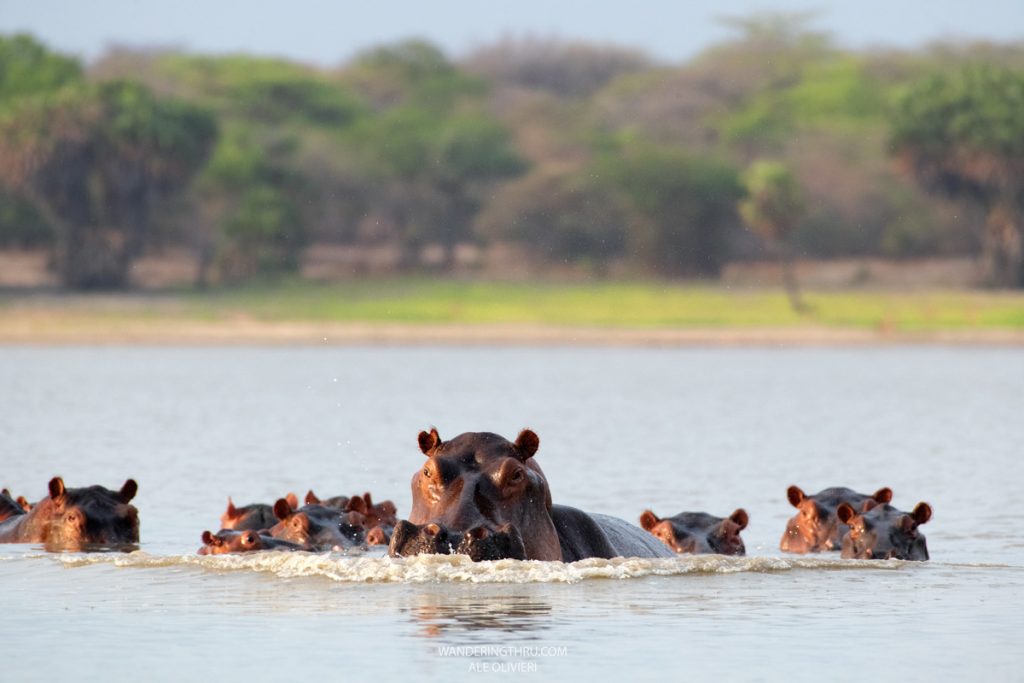
When an intruder challenges a resident for ownership, fights may occur. While animals try to avoid direct combat, evenly matched rivals may engage in prolonged battles. For instance, hippo bulls have been known to fight for days, sometimes resulting in fatal injuries.
Why Home Ranges and Territories Matter
Ultimately, the decision to maintain a home range or territory depends on the benefits gained from an area. Defending a resource-rich space ensures access to essentials, protects young, and maximizes survival chances. In some species, this may even require fighting to the death, as losing the area could mean being forced into unsuitable habitats with insufficient resources.
Understanding these behaviors highlights the intricate balance animals maintain to survive in the wild and demonstrates how critical space and resources are for their survival.