As we approach an earlier than usual weekend, we start dipping into our autumn season. The sun is beginning to rise a little later and set a little earlier, and the temperatures are definitely starting to cool around this time. The last bits of rain are falling, but that will be disappearing soon. The trees and grasses are starting to change into their yellows and oranges. Every time a gust of wind comes through now, leaves are blown from branches that are now starting to look more bare.
Certain animal species behaviours also change with the changing of the seasons, so we are going to have a look at this. We will answer some questions and squash some of the untrue beliefs about some of these creatures around this time of the year.
Creepy crawlies
Many people believe that hibernation is practiced by many species all over the world, but this is not the case. Hibernation is generally practiced in areas that have such large snowfalls and massive temperature drops that animals would not survive if caught out in the open. When animals go into hibernation, they go completely dormant and almost shut down all together, saving their energy to keep themselves warm. Our animals would rather practice brumation, dealing with temperature, or estivation, dealing with water availability.
Brumation is closer to hibernation than estivation, but it is not a true hibernation at all. Things like our lizards and snakes practice brumation. Rather than shutting down completely, they just slowed themselves down. This allows their metabolism to slow right down as a lot of their food becomes more saturated. We often experience a very mild cold season here and on warm days. These animals will still show themselves on these days to sunbathe or have a small snack to eat.
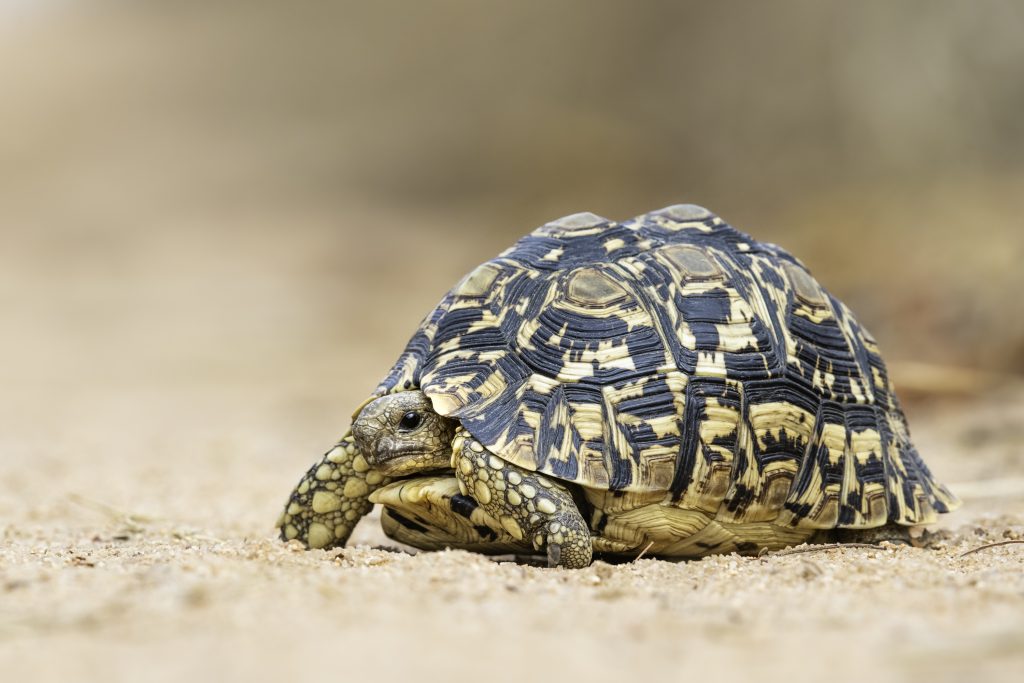
Estivation is usually practiced when it is dry and hot, but as we are experiencing summer rainfall, winter is our dry time. As mentioned earlier, it is not incredibly cold either, and estivation happens here then. Things like tortoises and terrapins practice this as water supplies run out. They stay dormant to protect their internal water supplies.
With regards to insects and the like, most of them go dormant, waiting again for the rain. Some of our spiders, like our golden orb-web spider, are actually seasonal. They will breed now, and the female will lay her eggs and then die. When the rains arrive, the eggs will hatch, and so the cycle will go again.
Birds
For all our birders, this is a sad time of the year, as this is when all our migratory visitors get ready to leave us and follow the warm weather. Some species, like the Steppe Eagle, Common Buzzard, White Storks, and Barn Swallows, undertake incredible journeys, travelling to different continents. We then have other species that move within the African continent itself, like our Southern Carmine Bee-eaters, Abdim’s Stork, and Greater Striped Swallow.
Some species are resident all year but become what we call altitudinal migrants. These birds will stay within their range but follow the better weather. African stonechats are a good example of this, as they stay in the grasslands at high altitude during the summer. They move down the plateau into the warmer, lower-lying areas during the winter.
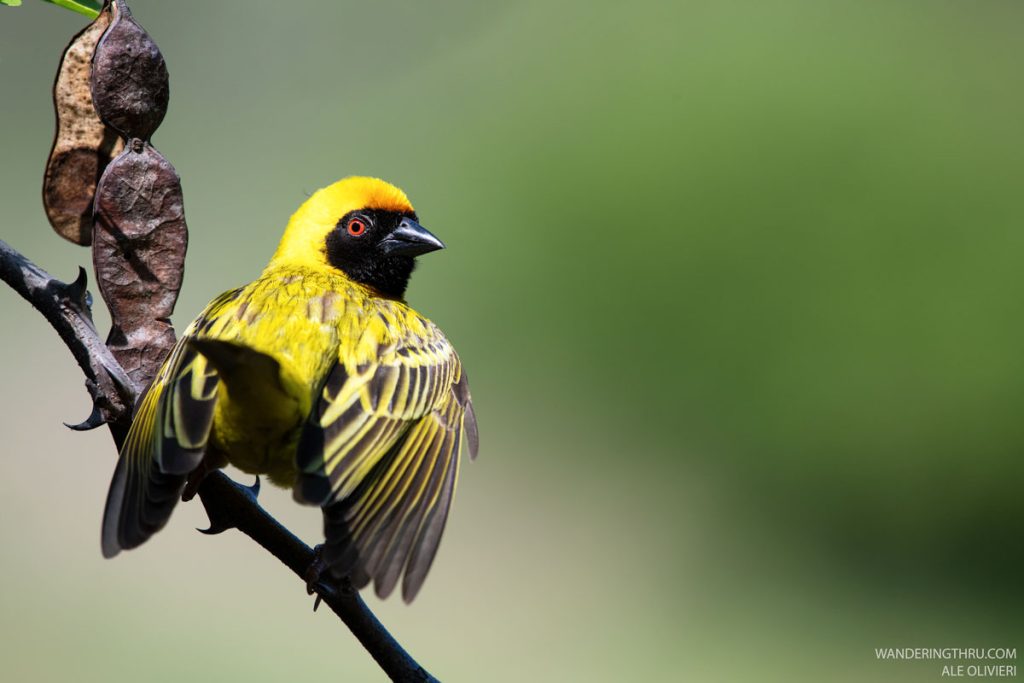
As most of the smaller species of birds do not breed in winter, the males of some species lose their beautiful plumage and resemble the females. They do not need the plumage any longer, and it doesn’t help standing out with colour as you will be easily seen by predators. The same is true for males that grow extra plumage; it is now a waste of energy to carry it around and makes them easier to catch.
Mammals
As the rains finish off now, the time of plenty for the herbivores is now over. Most of the youngsters that were born in spring and summer have now grown, and their first testing period awaits. If the rain season was good, they should be fine, but if it was a poor rain season, it’ll be very testing towards the end of winter.
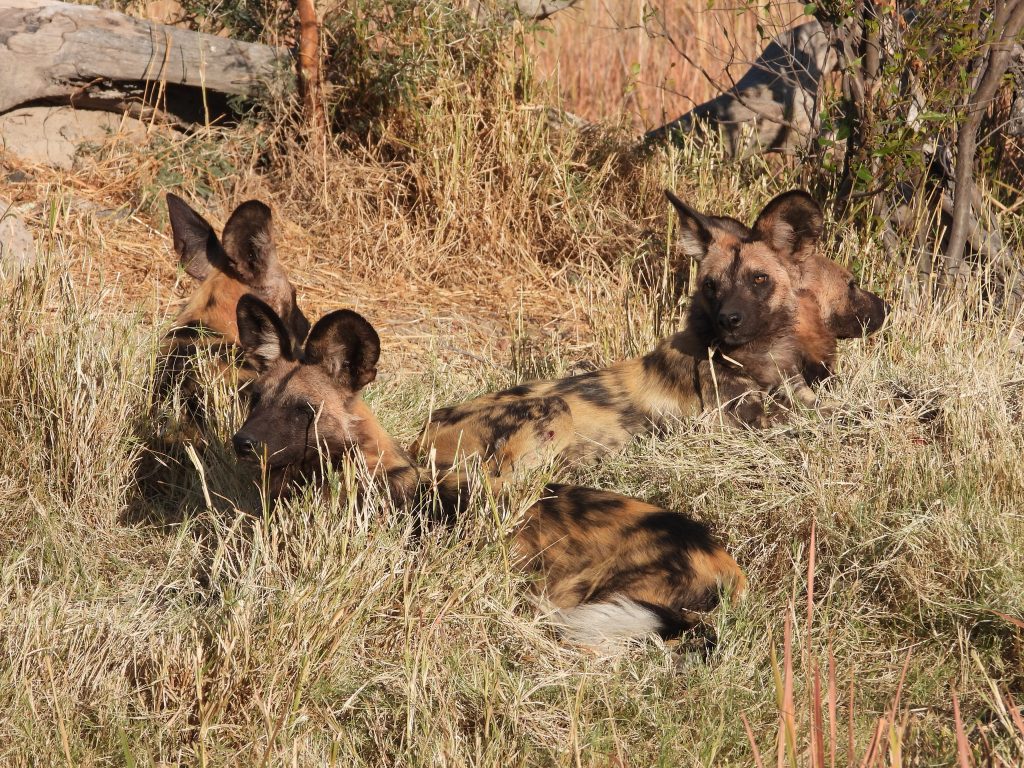
This, though, is the time when the predators will do well. It is the time of year that our African wild dogs start preparing for their litters. Breeding generally takes place now, and then the pups will be born in the winter. Visibility is better for them as the vegetation dies back, which makes it easier to hunt and support the puppies.
They are not the only animals that will be breeding, though. Most of our antelope will have their rutting periods now into the winter as they start to prepare for the lambing and calving seasons that will follow the winter. This is also good news for the predators, as male antelopes attention is often somewhere else, and they can miss a sneaky cat.
Vegetation
A large number of our trees are deciduous, and so the floor is beginning to look like an orange and yellow carpet. In turn, this is necessary as it puts nutrients back into the soil over time. We do, however, have numerous trees that are evergreen and hold their foliage throughout the season. These trees are more often than not found along rivers or drainage systems, so they have a good all-year water supply. These trees will be favored roosting spots for birds and primates at this time.
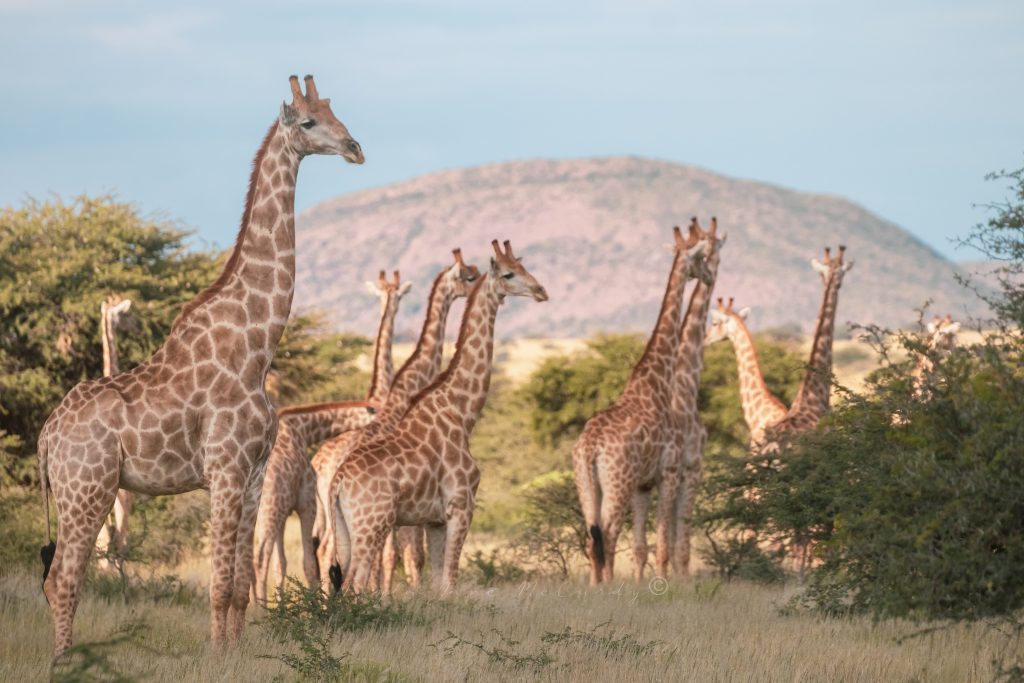
Flowers are different as well. We get spring, summer, and autumn. At the moment, all the autumn flowers are finishing up and will soon seed. The grasses, too, are seeding but are also starting to change color. The bright green is disappearing now, and the brown is starting to show. Although they do go brown, there is still nutritional value to them that the grazers manage to obtain.
Conclusion
Autumn is a big time for change. Animals are going to start moving away or preparing to go dormant for the winter period. This, however, does not affect the big game, and we can look forward to some amazing sightings. Cooler temperatures and less chance of rain also make for far more comfortable conditions for those who are not used to our African heat.