Africa is home to a diverse array of wildlife, and among its most captivating inhabitants are the various species of antelopes. Antelopes are herbivorous mammals belonging to the Bovidae family, and they exhibit a wide range of sizes, shapes, and behaviors. In this blog, we will delve into the world of African antelopes, highlighting their ecological significance, adaptations, and the challenges they face in the modern era. It’s sometimes harsh to say, but it is thanks to the antelope that we get to see and experience the predatory activity we all crave. It is not only the adaptations of these antelope but also the adaptations that the predators have made around them that play a significant role in the whole ecosystem.
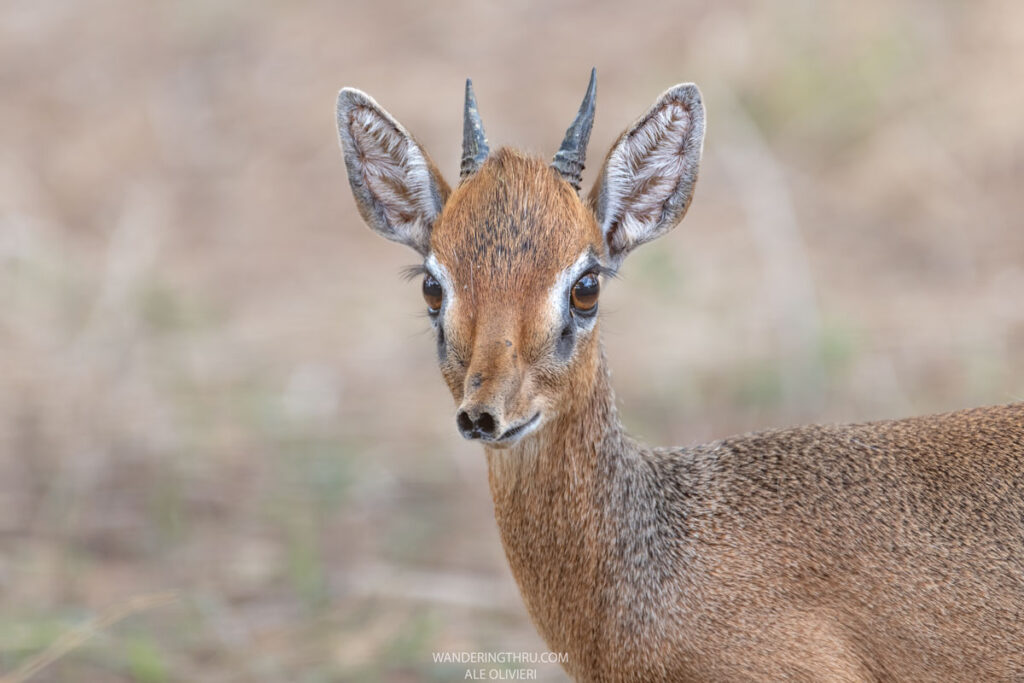
Wherever you seem to go, there will always be an antelope. It may just be an impala filling a void or a rare sighting like a duiker or steenbok, but they seem to be everywhere. No other herbivorous species has evolved to fill all of the environments and voids that are out there. They graze on the grasses, browse the bushes and trees, or mix feed where necessary. The size difference amongst species, can vary massively, from a 1,2 ton eland (2 500 pounds), to a 3 kilogram (7 pound) dikdik.
Taxonomy and Diversity
The Bovidae family encompasses a vast number of antelope species, each adapted to specific environments and ecological niches across the African continent. Antelopes are classified into three subfamilies: Alcelaphinae, Hippotraginae, and Bovinae. These subfamilies further comprise various genera and species, showcasing the remarkable diversity within the antelope family.
Alcelaphinae Subfamily
This subfamily includes several noteworthy antelope species, such as the wildebeest and hartebeest. The wildebeest, known for its annual migration on the Serengeti plains, is a critical component of the African savanna ecosystem. Their massive herds influence vegetation dynamics and provide sustenance for predators like lions, hyenas, and cheetahs.
People often think that there is only one species of wildebeest throughout Africa, but there are numerous different species taking on different sub-regions. The Brindled and Black Wildebeest are found in southern Africa. It is the white-bearded wildebeest that undertakes the mass migration and moves throughout East Africa.
Hartebeests, with their distinctive long faces and lyre-shaped horns, inhabit a range of environments, from grasslands to wooded savannas. Their adaptability reflects the diverse ecosystems they call home, from the Red hartebeest in southern Africa to the Coke’s hartebeest in central Africa. This subfamily is also responsible for the fastest members of the antelope species in Africa. The Topi is the fastest, reaching speeds of around 92 kilometres (57.2 miles an hour).
Hippotraginae Subfamily
The Hippotraginae subfamily includes antelope species adapted to arid and semi-arid regions. Gemsbok, also known as oryx, are renowned for their striking black and white facial markings and long, straight horns. These resilient antelopes thrive in harsh desert environments and have evolved unique physiological adaptations to cope with extreme temperatures and limited water sources. They have become adept at finding water resources and plants that produce water, far beyond any other.
The sable antelope, along with the Roan antelope, both with their majestic, curved horns and distinctive black and white facial markings, is another member of the Hippotraginae subfamily. Their preference for woodland habitats contrasts with the oryx’s adaptation to the arid environment. They are uncommon throughout Southern Africa but show a preference for some of the areas in Botswana. Oryx have found the ability to occur in the most arid of regions and can survive on low moisture levels, often getting enough moisture from a simple melon.
Bovinae Subfamily
The Bovinae subfamily encompasses antelopes like the African buffalo and various species of spiral-horned antelopes. The African buffalo, often found in large herds, plays a crucial role in shaping grassland ecosystems through grazing and seed dispersal. Their interactions with predators and other herbivores contribute to the intricate balance of the African savanna.
This family is the most likely to be sorted after by hunters—not the predatory kind, but humans. This is understandable, as they have incredulous horns, preferred by trophy hunters. Also, their meat is sorted after as it is very palatable meat. It is often overlooked that the meat that is consumed is not found in natural places but rather farmed.
Spiral-horned antelopes, including kudu, eland, bushbuck, and nyala, exhibit distinct spiral-shaped horns and are known for their elusive behavior. The greater kudu, with its magnificent, corkscrew-like horns, epitomises the beauty of these antelopes and is found in a variety of habitats, from woodlands to savannas. The bongo is another member of the family but is only known to be found in the deep forests of Central and East Africa.
Ecological roles and conservation
Antelopes are integral components of African ecosystems, influencing vegetation structure, nutrient cycling, and predator-prey dynamics. Their feeding habits, migration patterns, and social behaviours contribute to the ecological health of diverse landscapes. However, these iconic species face numerous challenges, including habitat loss, poaching, and human-wildlife conflict.
Conservation efforts are crucial to ensuring the survival of African antelope species. Protected areas, community-based conservation initiatives, and anti-poaching measures are essential components of safeguarding these magnificent creatures. Additionally, promoting sustainable tourism and raising awareness about the ecological importance of antelopes can contribute to their long-term survival.
People often view their safari experiences around the number of predators they see, where they should see them in the direct opposite. A healthy system is supported by the large numbers of antelope species that we get to see. The more wildebeests and gazelles we see, the larger amounts of lions and cheetahs will be around. Yes, it may be annoying to see a large amount of impala, but if it weren’t for them, we would see no other.

Conclusion
African antelopes represent a captivating tapestry of biodiversity, showcasing nature’s adaptability and resilience. From the vast herds of wildebeest migrating across the Serengeti to the solitary gemsbok navigating the deserts, each species plays a unique role in shaping the diverse ecosystems of the continent. As we navigate an era of environmental challenges, recognising the importance of preserving these iconic species becomes paramount for the health of Africa’s ecosystems and the global conservation effort.