Visitors to the private reserves along the western boundary of Kruger National Park over the past year have noticed a significant increase in white rhino numbers. This phenomenon is particularly remarkable given the devastating impact of poaching over the last two decades. Many people have been surprised by this development, but there is a clear reason behind it—one that, until now, has been kept relatively low-profile for security reasons. However, we, along with other conservationists, have received the go-ahead to share details of this groundbreaking initiative and its future plans. This effort could play a crucial role in accelerating the recovery of this iconic species.
Who Is Behind This Conservation Success?
The catalyst for this initiative was African Parks, which took a monumental step in September 2023 by acquiring one of South Africa’s largest captive rhino breeding operations.
This purchase marked the beginning of the Rhino Rewild Initiative, which aims to release more than 2,000 white rhinos into protected areas across the African continent over the next decade (African Parks, 2023).

n the Kruger region, the Greater Kruger Environmental Protection Foundation (GKEPF) spearheaded the effort, with reserves in Limpopo and Mpumalanga provinces forming the core of the initiative. Key reserves involved include Sabi Sands Wildtuin, Thornybush Game Reserve, and the Associated Private Nature Reserves (APNR)—comprising Klaserie, Balule, and Olifants.
Why Were These Areas Chosen for Release?
This part of South Africa offers an ideal habitat for white rhinos. With consistent rainfall and year-round grazing, the private reserves adjacent to Kruger provide optimal conditions for rewilding. Furthermore, these reserves feature artificial waterholes, ensuring that the newly released rhinos have access to water, especially during dry periods. Since these animals were previously in captivity, it was essential to create a supportive environment to ease their transition back into the wild.
Another critical factor was the presence of territorial bulls in these regions. To avoid conflicts, only female rhinos and young bulls were released. Additionally, many of the introduced females were already pregnant, which has contributed to the increasing number of calves now observed in the reserves.
Anti-Poaching Measures and Security Considerations
A major reason why rhinos were not released directly into Kruger National Park is the ongoing threat of poaching. Although anti-poaching efforts have improved, poaching incidents are still more frequent in the national park compared to the well-protected private reserves. South African National Parks (SANParks) played an advisory role in the initiative, recognizing that the growing rhino population in adjacent reserves will ultimately benefit Kruger as well. Over time, as security measures continue to improve, it is hoped that rhinos can be successfully reintroduced into the park itself.
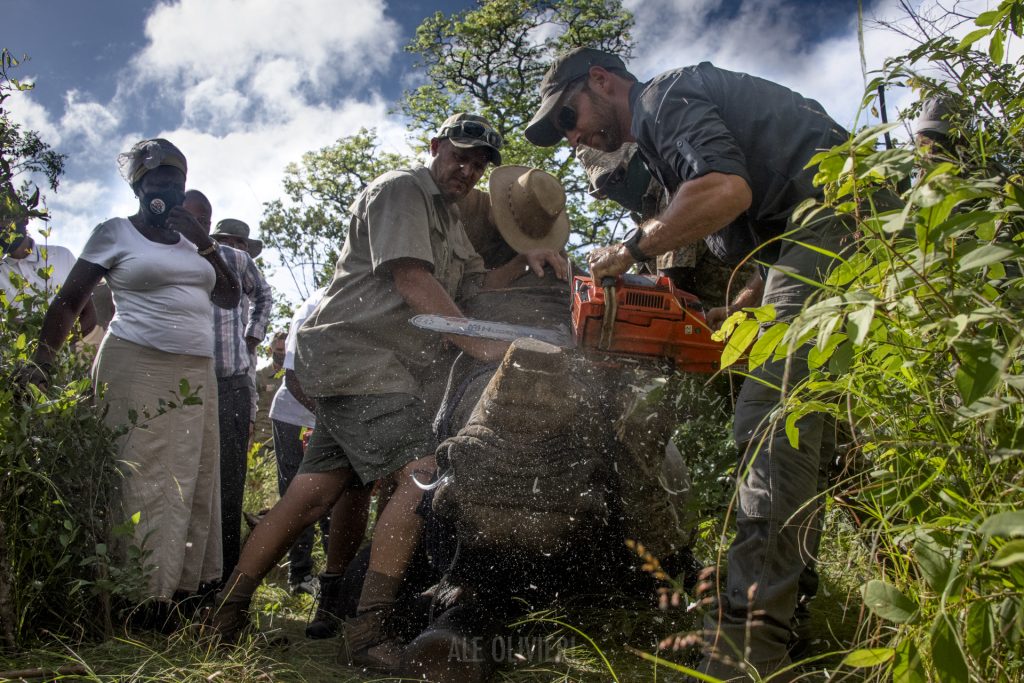
To enhance protection, all released rhinos underwent dehorning as a precautionary measure. This significantly reduces the risk of poaching, as rhino horn is the primary target for illegal wildlife trafficking (Save the Rhino, 2023).
A Massive Effort: Who Made It Possible?
Transporting and reintroducing 120 large animals is a monumental task that required highly skilled veterinary teams and dedicated conservationists. Every effort was made to ensure the safety and well-being of the rhinos during the process. The dehorning procedure was also carried out at this stage, as the animals were already being handled for relocation.
Funding was another crucial aspect of this initiative. While African Parks donated the rhinos, GKEPF took on the financial responsibility of relocation, monitoring, and ongoing conservation efforts. This includes tracking rhino movements, monitoring health and breeding success, and maintaining security against poaching threats.
A New Era of Hope for White Rhinos
After two decades of devastating poaching, this initiative represents a beacon of hope for white rhinos. While poaching remains an ongoing battle, each conservation success brings the species closer to recovery. The release of these first 120 rhinos marks just the beginning—there are still 1,880 more rhinos scheduled for release in the coming years. If these efforts continue to succeed, the future of white rhinos in South Africa looks brighter than it has in a long time.
Conservationists, organizations, and supporters around the world remain committed to ensuring that white rhinos not only survive but thrive once again in the wild.