When mentioning predators to people on safari, big cats, hyenas, wild dogs, eagles and crocodiles are usually what pop straight into mind. Yes, it is understandable, as they are spectacular and what everyone wants to see. A cheetah sprinting across the open grassland or male lion roaring next to the vehicle is something everyone hopes to experience and see. Something that a lot of people only think about on arrival, though, is the smaller predators, like spiders, centipedes, scorpions and other predatory insects.
Although they are much smaller, their numbers are far greater than the mammals, reptiles and birds that rely on larger prey. In this blog we are going to have a bit of a better look at these smaller predators and the important role they play in the greater system.
Pest Control
With so many insects and smaller creatures about, there had to be a way of controlling their numbers, and this is where these little predators come in. They will consume thousands of tonnes of insects a year, keeping numbers in check and ecosystems clean. Their job in the greater ecosystem is immense just looking at this aspect. Although birds and reptiles feed on them, they themselves keep their own numbers in check as well, as the general rule with them is, if it’s smaller than you, down the hatch it can go! When hunting, you find your individuals that sit and wait, setting traps or using camouflage, whilst others will actively go out and hunt. Although people dislike them so much, they are helping us in so many ways we don’t even think about.
Eight-legged Predators
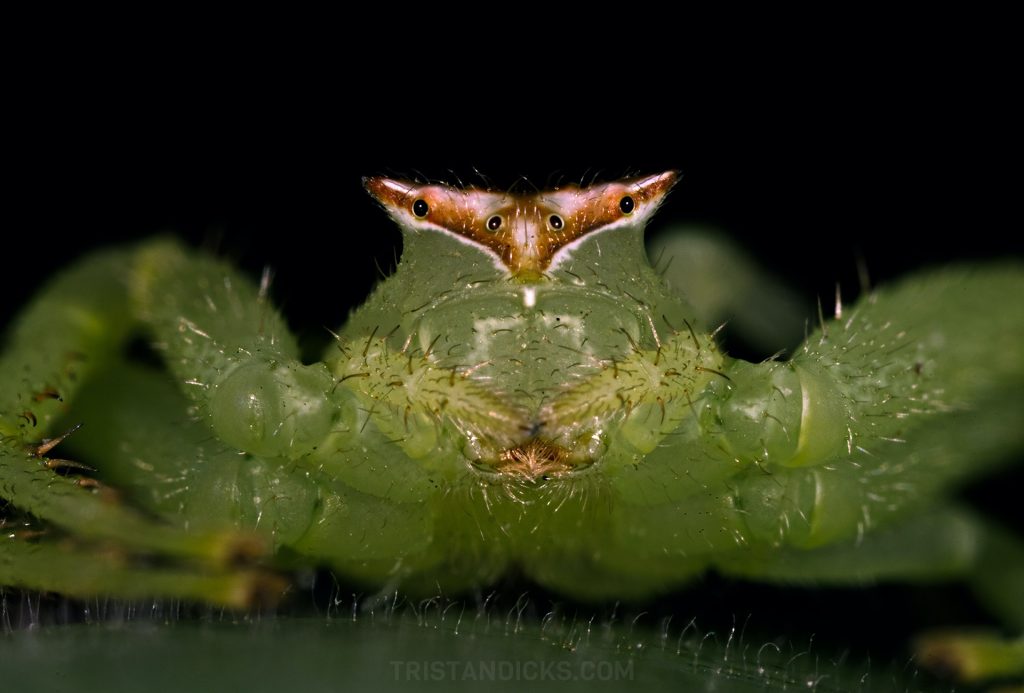
Sounds like any small creature’s worst nightmare and a nightmare to many arachnophobes, spiders and scorpions. Both of these species are found in the savanna areas, with more than a thousand spiders to be found alone. The sheer number of spiders is not really understood by the average person until you can get them behind a spotlight at night. Just shining around on the ground shows the amount of spiders that only show themselves once the sun has set. Every individual can eat almost 10% of their body weight every day, meaning they can consume just as many insects as birds and bats in a day.
To put it into a little bit more of a perspective, the weight of spiders in a kilometre squared, on average, is greater than that of lions. Spiders in the grasslands are one of the main reasons grasshopper numbers stay in check. Yes, at times even they can struggle with large swarms, but for the most part, they help reduce the numbers of these mass grass eaters. This is generally the spiders that go out and look for food. Spiders that use webs are more effective in helping with pests like flies and mosquitoes.
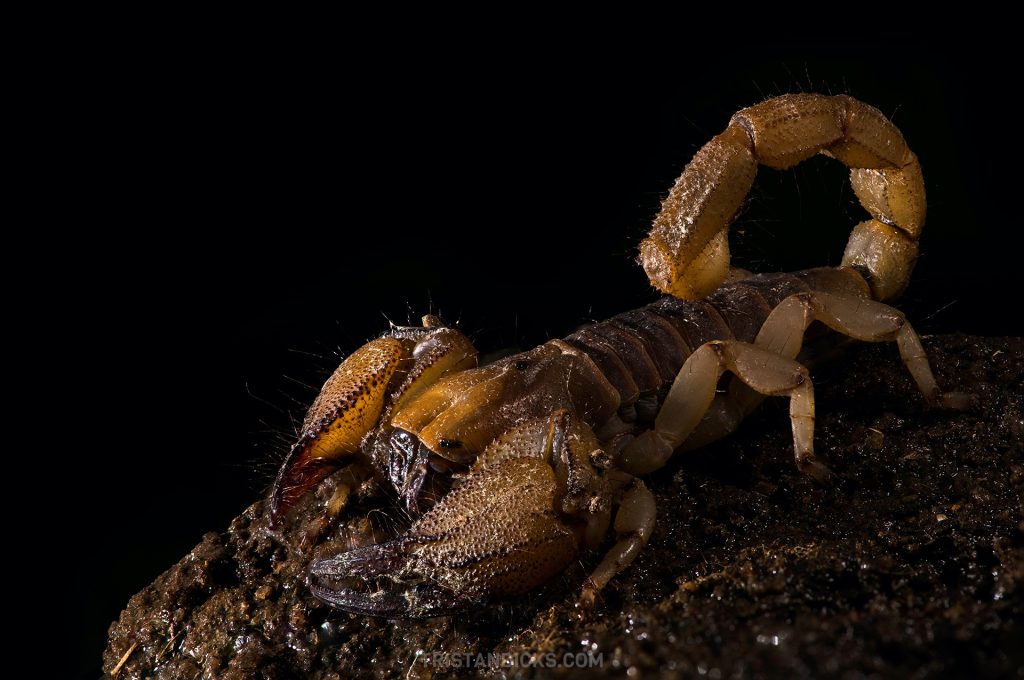
Scorpions and solifuges are the other two arachnids that we find hunting in the bushveld area. As with the spiders, there are numerous species of these, and most tend to be nocturnal in their habits. They spend the heat of the day hiding up and then come out at night to actively hunt their prey. The bigger specimens not only feed on insects but are also known to take small mammals and birds as well.
Insects eating insects
There are more insects that feed on other insects than what people think. Ant lions, certain ants, assassin bugs, ground beetles and the mantid family, all feed mainly on other insects. As most of these hunters have limited vision in comparison to birds and mammals, they often sit and wait for their food to come to them. This means that most of these hunters are very well camouflaged, often resembling a leaf or stick, maybe even a piece of bark. Some of them, like antlions, will make traps to catch their prey. If they are not well camouflaged or lay a trap, they are lightning fast and can run their prey down.
Although people often associate ants with the little guys coming into your kitchen to pick up crumbs or raid the sugar, they can be mass killers. The general rule with ants is that if they can bite you, they are most likely one of the predatory species. Out on a safari, the three you’re most likely to bump into are the Safari ants (Dorylus genus), Matabele ants (Megaponera analis) and Pugnacious ant (Anoplolepis custodiens). They all bite terribly, and your safari guide will warn you to avoid them if you see them. With these biting abilities, though, they are known to kill other large insects by overpowering them or just raiding an entire termite colony. When they kill large insects, a team of ants will work together to cut the insect into smaller, carriable-sized pieces to be taken back to the colony. With termites, Matabele ants are known to carry them back whole to their nests.

Rather than going out and actively hunting like ants, pray mantis are very well camouflaged and will sit and wait for other insects to come to them. Different species of mantids have come up with all sorts of camouflage, from hiding in between leaves to sitting openly on bark, completely disappearing. Antlions set the perfect little pit traps, sometimes with dozens found close together, almost forming a little mine field for insects to walk through. These are not the adults but the predatory larvae stage. These are not the adults but the predatory larvae stage. The idea is to grab any small invertebrate that may fall into the trap. Once the antlion has latched onto the trapped prey, it drags it under the soft sand and consumes it. The name ‘antlions’ comes in as up to 95% of the insects they catch are actually ants.
These little creepy crawley’s may give some people nightmares, but they are so important for to the environment and us as well. Imagine the damage they could do to fields of crops that we are so reliant on or feeding on mosquitoes carrying diseases like malaria. Next time you see a spider in your room on safari, maybe think twice before squashing them!