In previous blogs, we explored some of Africa’s predatory groups, such as lion prides and packs of African wild dogs. But predators aren’t the only animals that benefit from living in groups—many species, including herbivores, form social groups for survival. Large or small, these groups have strategies to manage themselves, which improves their chances of avoiding predators, finding food, and protecting young.
Keeping Everyone in Line
If you’ve ever flown over the African wilderness during the dry season, you might notice networks of animal pathways weaving through the vegetation. These paths are used by animals of the same or different species to reach water, feeding grounds, or safe resting sites.
When large groups move along these pathways, they typically travel in single file. Walking side by side might seem easier, but single-file movement is more efficient and safer. The lead or rear positions are usually taken by dominant animals. By taking the front, a dominant animal selects the route and can act as the first line of defense if danger appears. Moving quietly in single file also helps reduce noise and allows the group to cover ground efficiently while staying alert.

Follow the Team Flag
Social groups require ways to keep everyone together. Signals and markers help animals maintain cohesion while feeding, moving, or fleeing. Visual cues are particularly important in dense vegetation or when predators are nearby.
For example, waterbuck have white rings on their rumps, making it easier for individuals to follow one another through thick vegetation. Warthogs lift their tails as a “flag” to guide the herd. Many carnivores use similar strategies: wild dogs have white-tipped tails to follow each other on hunts, leopards use dark markings on their tails so cubs can track them, and lions use black-tipped tails and markings behind their ears to communicate visually with pride members.
These tail signals also convey emotions and intentions. Flicking the tail can indicate agitation or alertness, while ear markings can signal the presence of prey or danger. This non-verbal communication keeps group members coordinated and safe.

All Stare Together
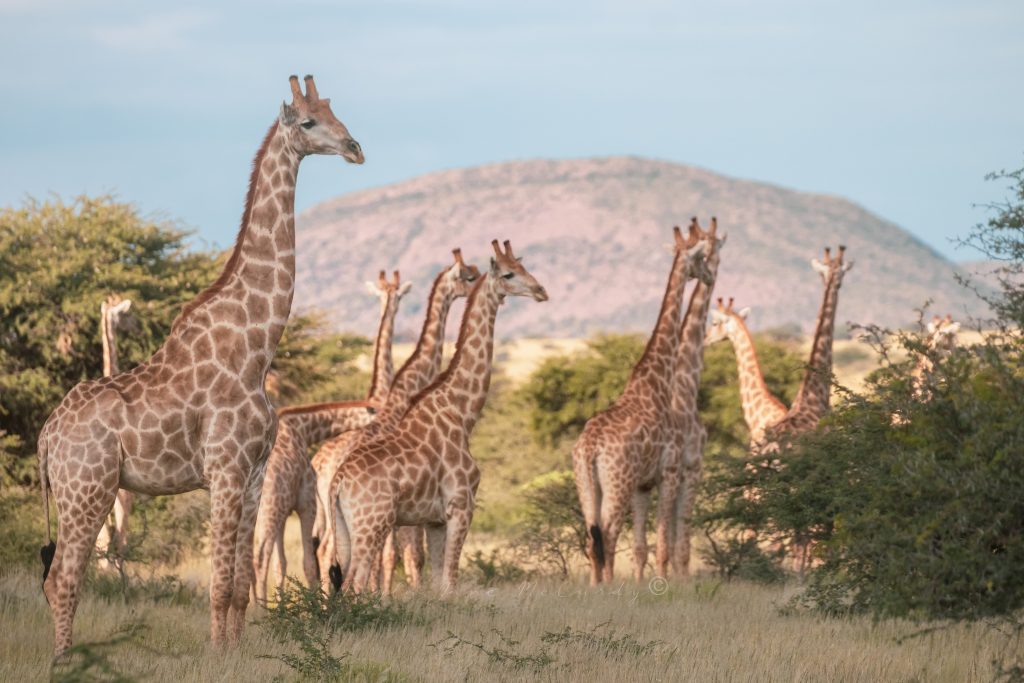
Alertness in social groups is critical. Prey animals often look in the same direction as their companions to identify threats, even when they haven’t sensed danger themselves. Once a predator is spotted, the entire group signals the threat, eliminating the element of surprise and allowing members to escape safely.
Giraffes, for instance, do not use vocal alarms but will stare intently at predators. Observing their heads and ears can reveal the presence of a nearby threat, providing a vital warning to the rest of the group.
Teamwork Benefits Everyone
From predatory packs to large herbivore herds, social groups rely on structure and cooperation to survive. Strategies like coordinated movement, visual signaling, and shared vigilance keep individuals safer and help the group thrive. In the wild, sticking together, following established rules, and contributing when possible benefits not just the individual, but the entire community.